Despite facing severe fuel shortages, an ongoing economic crisis, and sustained U.S. sanctions, Cuban authorities maintain control over the situation in Cuba. However, daily life for citizens is marked by significant hardship, including frequent power outages, food shortages, and the general decline of public services.
Reports indicate that millions of Cubans are adapting to conditions reminiscent of difficult periods in the country’s modern history. The economic strain has forced many residents to sell various goods, from fresh produce to household appliances, on makeshift street stalls to generate income. The crisis worsened following tightened U.S.
sanctions, which restricted oil supplies and limited access to foreign currency. While the government promotes a narrative of “resistance”—the ability to endure international isolation—the reality for many is one of scarcity. Adaptations are evident, with farmers using oxen instead of tractors due to fuel limitations, and solar power becoming vital for small businesses.
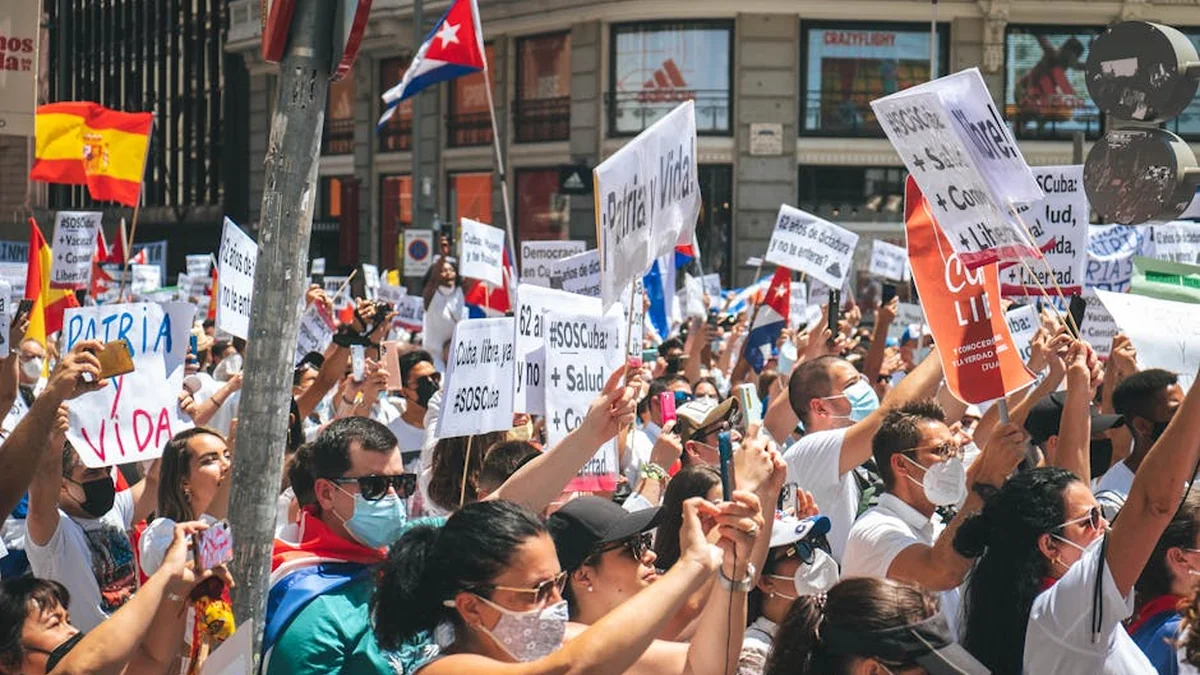
Despite these coping mechanisms, discontent is growing, leading to protests over prolonged power outages in some areas of Havana. International human rights groups accuse Cuban authorities of suppressing dissent, while Havana maintains that external forces are attempting to destabilize the nation. Experts note that while Cuban society has demonstrated remarkable resilience, the cumulative effect of the fuel and resource shortages presents a profound challenge.
The deterioration of the healthcare system and the devaluation of the peso compound the difficulties faced by the populace, leaving citizens navigating an increasingly precarious economic landscape.
Topics: #cuba #citizens #shortages