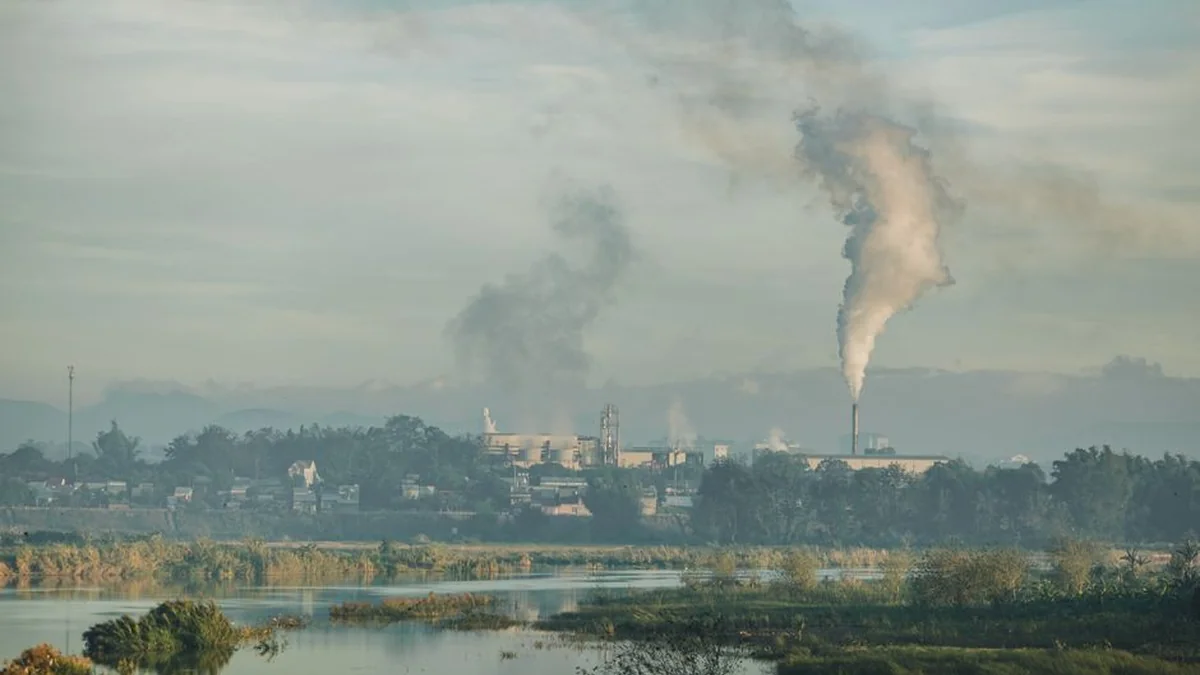
A new report released by Bankwatch, a prominent network of environmental and human rights associations in Central and Eastern Europe, indicates significant failures in air quality management across several Balkan nations. The findings reveal that eight years following the implementation of air pollution control standards mandated by the Energy Community Treaty, emissions levels in Kosovo, Bosnia and Herzegovina, North Macedonia, and Serbia substantially exceed legal thresholds. The report, titled “Comply or Close” and published on September 23, specifically addresses ongoing non-compliance concerning sulfur dioxide ($\text{SO}_2$) emissions originating from older coal-fired power facilities in the Western Balkans.
According to data cited by the organization, the measured pollution levels are, on average, 6.6 times higher than the legally permitted limits. Furthermore, the assessment noted a corresponding rise in particulate matter, with dust pollution reaching the highest recorded levels across the monitored regions. These findings underscore persistent regulatory gaps despite established international environmental frameworks.
The report implies that the continued operation of aging energy infrastructure is directly contributing to severe atmospheric contamination. Bankwatch’s analysis highlights that the sustained deviation from established emission controls poses ongoing environmental and public health risks. The findings serve as a critical call for immediate regulatory enforcement and necessary upgrades to energy generation capacity to meet stipulated international standards.
Topics: #permitted #times #pollution