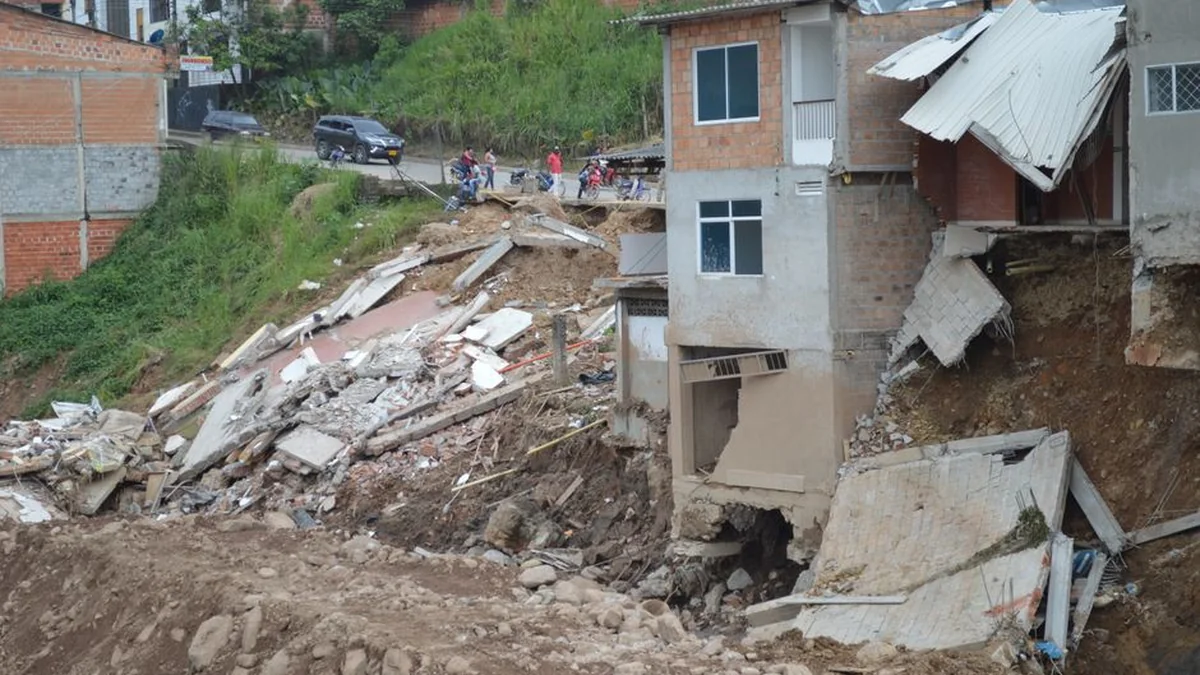
The United States Geological Survey (USGS) has reported a series of significant earthquakes in Venezuela, characterized as “doublet” events. This classification refers to two tremors of comparable strength occurring in close temporal proximity and within the same or adjacent geographical areas. Specifically, the recorded sequence involved an initial earthquake registering a magnitude of 7.2, followed by a subsequent, more powerful tremor with a magnitude of 7.5, occurring just 38 seconds later.
The USGS noted that this pattern suggests a “complex process of tectonic fault interaction,” indicating that the initial seismic event contributed to triggering a subsequent tremor in the nearby region. Visual documentation has captured the substantial impact of these powerful earthquakes across Venezuela. The reported damage includes structural damage to buildings and the destruction of facilities such as the Caracas airport.
This specific sequence differs from typical earthquake patterns where one seismic event may precede another without such a rapid, compounding effect. The data highlights the intense geological activity within the region. The recorded magnitude levels underscore the severity of the seismic activity experienced in Venezuela, providing insight into the complex mechanics of the underlying tectonic faults.
Topics: #earthquakes #magnitude #venezuela