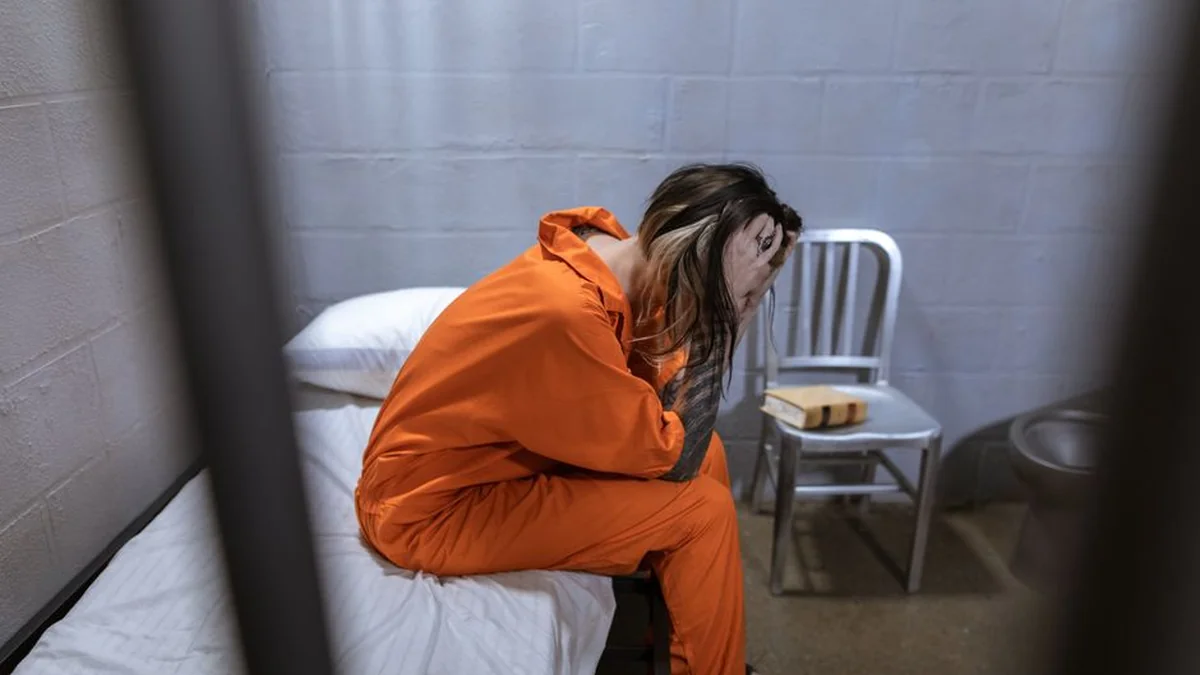
A significant challenge facing the correctional and health systems in Kosovo is the limited capacity to adequately treat individuals diagnosed with mental disorders within correctional facilities. This critical issue was highlighted during a discussion panel titled “Preventing Torture through Mental Health Protection in Correctional Institutions.” The panel was organized by the Kosovo Center for Rehabilitation of Torture Survivors (KCRTS) on June 26, the International Day to Support Torture Victims. Fatmire Haliti, the Program Manager at KCRTS, emphasized that preventing torture extends beyond merely ceasing physical violence.
She stressed that true prevention requires guaranteeing conditions that uphold the complete physical and psychological integrity of all people deprived of their liberty. Haliti noted that KCRTS’s ongoing, multi-year monitoring efforts have consistently brought these deficiencies to light. The discussion underscored that proper mental healthcare within detention settings is fundamental to upholding human rights.
The current gap in specialized care means that inmates suffering from mental health conditions may be subjected to substandard treatment, which can itself constitute a form of mistreatment. Experts participating in the panel advocated for systemic improvements, calling for increased resources and specialized training within the correctional infrastructure. Addressing this deficiency is presented as a necessary step to align Kosovo’s practices with international standards for prisoner welfare and human rights protection.
Topics: #mental #health #correctional