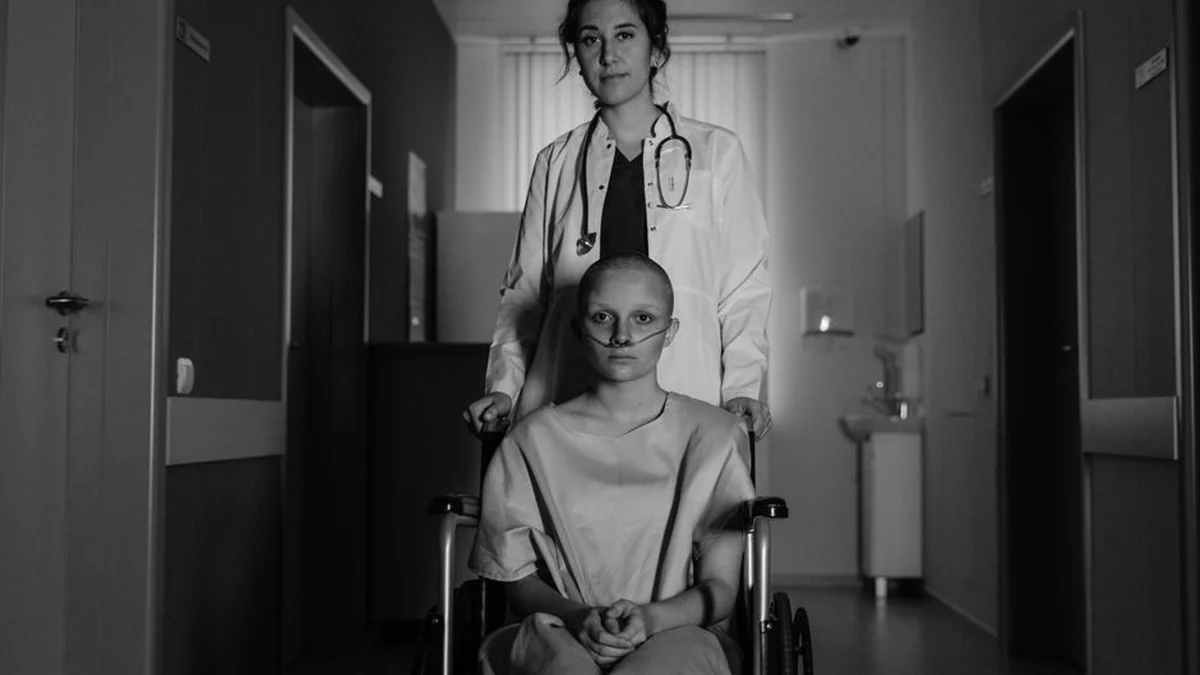
Cancer patients receiving treatment at the University Clinic of Radiology and Oncology in Skopje are currently experiencing significant delays, which are placing considerable strain on the existing healthcare infrastructure. A major challenge reported by patients is the necessity of traveling from various cities across the country to Skopje, as radiotherapy services are predominantly concentrated in the capital. The logistical issues result in arduous experiences for those seeking care.
Some patients have reported waiting periods extending up to twelve hours for necessary treatment sessions, with queues forming as early as the morning. These prolonged waits impact the well-being of the patients undergoing treatment for cancer. Critiques of the situation point toward systemic deficiencies rather than individual medical skill.
One patient noted that the primary issue lies with the system’s organization, suggesting that the availability of treatment centers in the eastern and western regions of the country would substantially improve access. Furthermore, advocacy groups, such as the “EZRA” Association for the Support of Cancer Patients, have assessed that the overall healthcare system is operating under precarious conditions. The centralization of specialized oncology care creates significant barriers to consistent and timely treatment for those living outside the capital.
Addressing these bottlenecks and decentralizing services are key recommendations aimed at alleviating the current strain on both the patients and the medical facilities.
Topics: #patients #hours #cancer