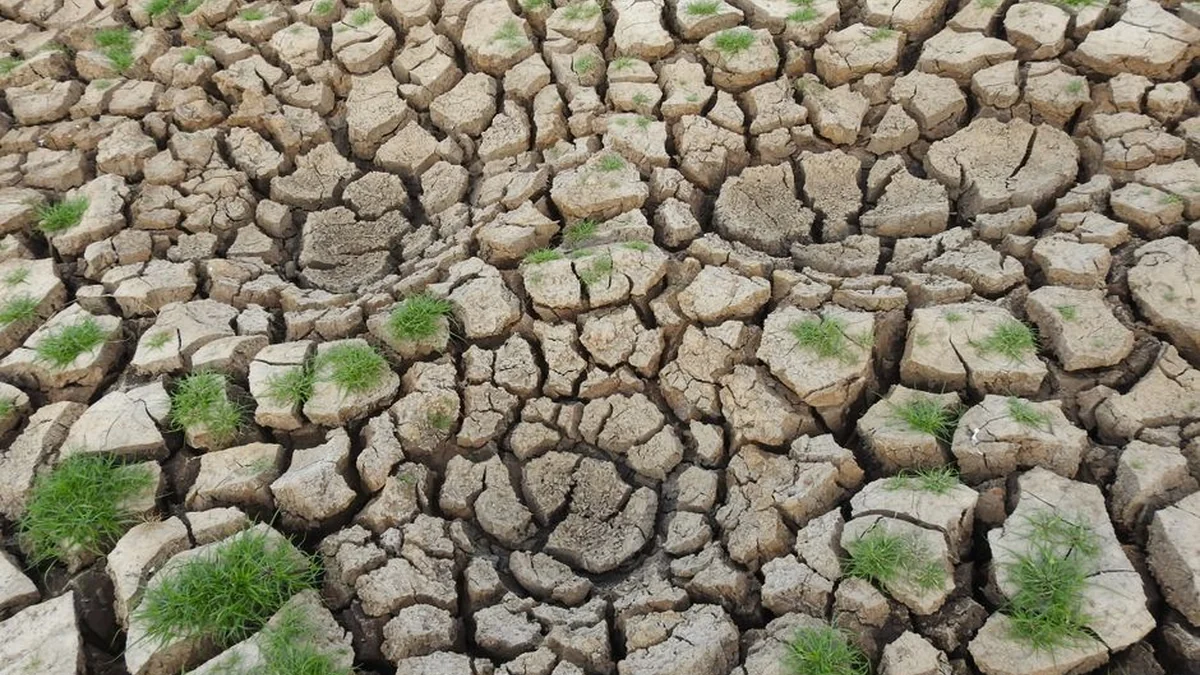
The rapid advancement and expansion of artificial intelligence are placing significant strain on essential global resources, including electricity, water, and land. According to a report issued by the United Nations University, data centers required to power this technology are projected to consume an estimated 945 terawatt-hours of electricity by the year 2030. The UN University Institute for Water, Environment, and Health highlighted that the true environmental cost of AI is being systematically underestimated.
The report cautions that most existing impact assessments tend to focus narrowly on carbon emissions, thereby overlooking the substantial consequences related to water consumption and land use. This oversight presents a critical challenge to global sustainability efforts. Concerning water resources, the projected water footprint associated with AI-related data centers could reach 9.3 trillion liters by 2030.
To put this figure into perspective, this volume of water is equivalent to the annual basic water needs for approximately 1.3 billion people residing in Sub-Saharan Africa. As AI integration deepens across sectors, the demand for computational power continues its increasing trajectory. Experts suggest that a more comprehensive framework is necessary to accurately model and mitigate the holistic resource demands of the AI infrastructure, ensuring that technological progress does not outpace the planet’s ability to sustain it.
Topics: #water #increasing #global