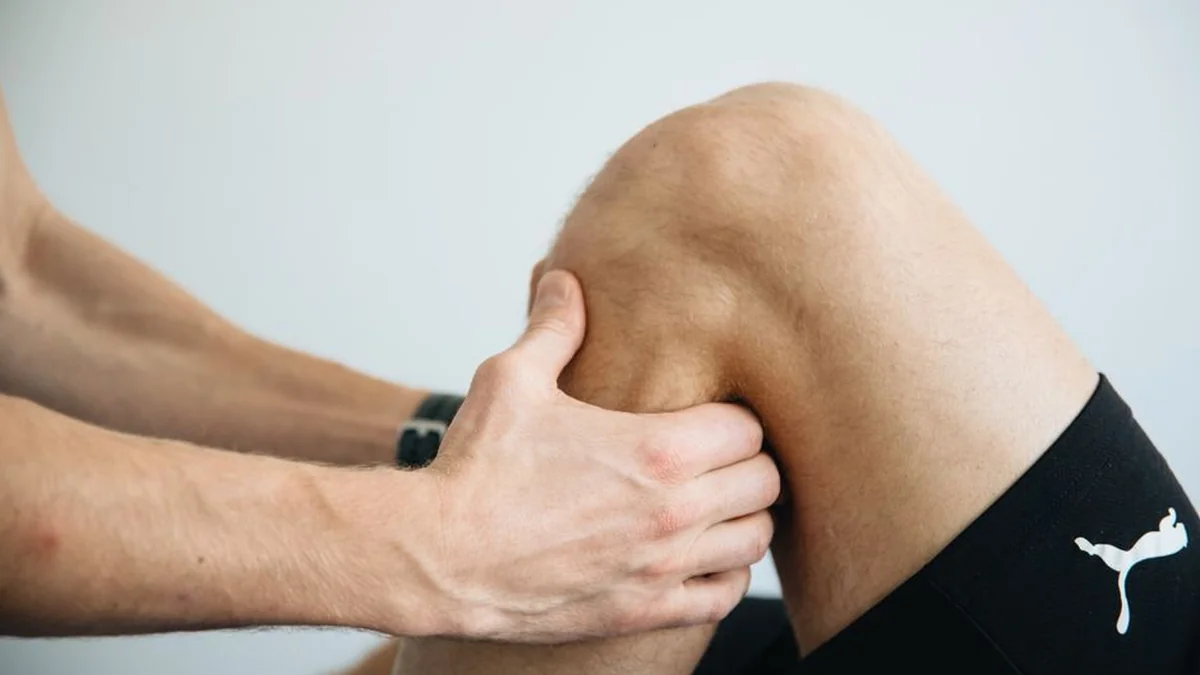
Sudden movements, stumbles, or feelings of instability can signal more than just minor sports-related issues. Among the most common and significant musculoskeletal damages are knee ligament injuries, affecting not only athletes but also individuals engaging in recreational physical activity. Unexpected changes in direction, falls, or direct impacts are common mechanisms that can damage the complex structures responsible for maintaining knee stability.
If these ligament injuries are not managed correctly, they can result in lasting complications. The anterior cruciate ligament (ACL) tear is frequently cited as one of the most severe and painful knee injuries, often necessitating an extensive recovery period involving rest and a temporary halt to normal daily routines. Proper diagnosis and rehabilitation are critical components of managing these types of injuries.
The stability of the knee joint relies on a network of ligaments and other connective tissues. Damage to any of these structures can compromise the joint’s function, leading to pain, instability, and impaired mobility. Treatment protocols are tailored to the specific ligament involved and the severity of the tear.
Conservative management, which may include physical therapy and bracing, can be effective for milder sprains, while more severe tears might require surgical intervention to restore structural integrity. Early and appropriate medical attention is paramount for optimizing recovery outcomes following any significant knee ligament injury.
Topics: #knee #ligament #injuries