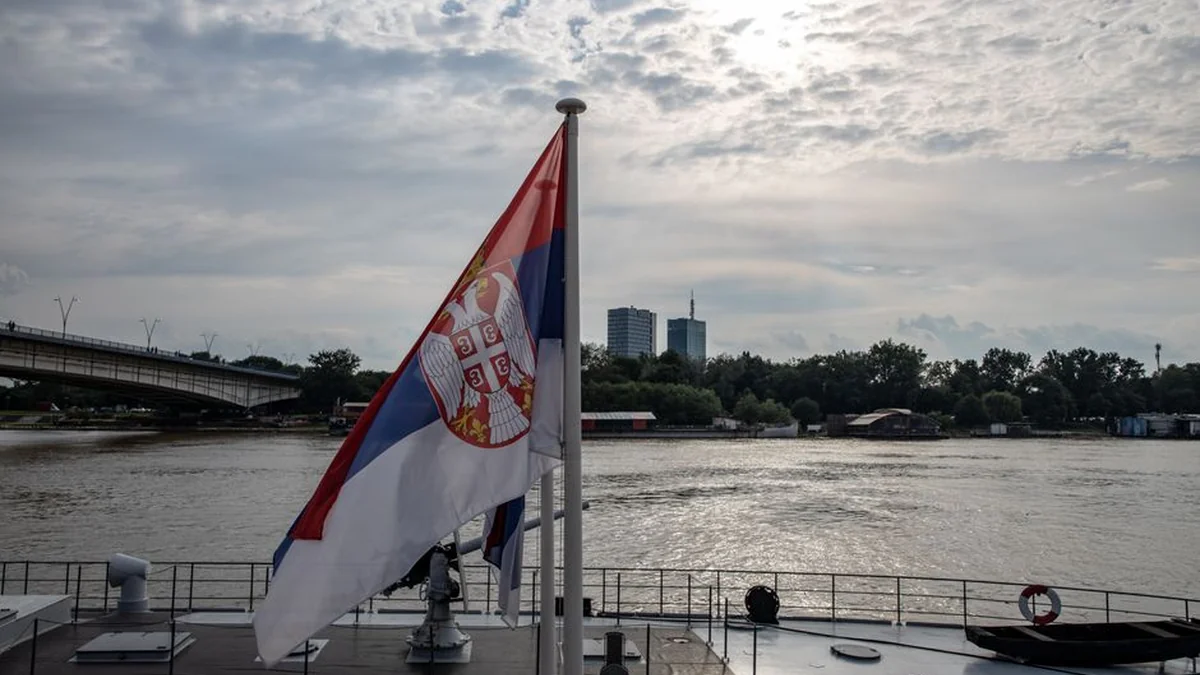
The Serbian Constitution has emerged as a pivotal legal document in recent political and jurisdictional debates, drawing attention to its role in defining national rights and state boundaries. As various claims and legal challenges intensify, constitutional texts are increasingly being cited as the ultimate framework for resolving disputes. The document serves as a foundational source of law, outlining the structure of governance, the relationship between citizens and the state, and the rights guaranteed to ethnic and regional groups within the republic.
Legal experts and political analysts note that the constitutional provisions are frequently invoked when dialogue or international mechanisms appear insufficient. For proponents of its role as a definitive legal guide, the Serbian Constitution represents the last internal and formal recourse for upholding national integrity and addressing disputes over regional autonomy. The interpretation of specific articles within the Serbian Constitution remains a subject of intense scholarly and political debate.
Discussions often center on the balance between centralized state authority and the recognition of local self-governance. Those who rely on the constitutional framework argue that adhering strictly to its provisions is the only means to achieve lasting stability and prevent the escalation of conflict into purely political spheres. Furthermore, the constitutional mechanisms for amending the document itself are under scrutiny, as different factions interpret the timeline and feasibility of necessary legal updates.
Consequently, the constitutional text continues to function not merely as a historical record, but as a living legal battlefield, where its articles are meticulously analyzed to support diverging claims regarding the country’s future legal status and political cohesion.
Topics: #serbian #constitution #last