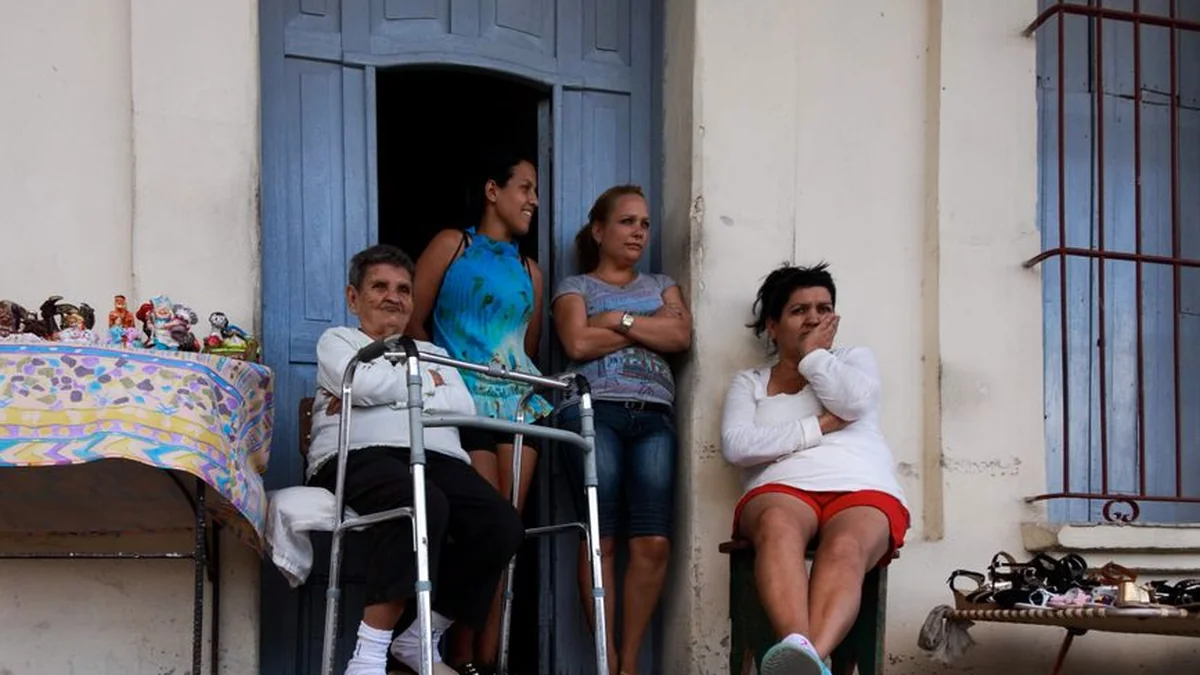
Despite facing severe fuel shortages, an economic crisis, and ongoing US sanctions, authorities in Cuba maintain control while citizens navigate daily hardships. The country is experiencing conditions marked by frequent power outages, food shortages, and the general deterioration of public services. Reports indicate that millions of Cubans are adapting to living conditions reminiscent of past periods of isolation and poverty.
On the streets, many citizens are forced to sell diverse goods—from produce to household appliances—to generate income. Daily life is challenging; for instance, one resident reported having to carry water from distant springs due to unreliable electricity and water access. The economic difficulties were reportedly exacerbated by tightened sanctions, which restricted oil supplies and limited foreign currency inflows.
While the government continues to promote a narrative of national “resistance” against international pressure, the reality on the ground is strained. Adaptation is evident, with some farmers reverting to oxen and solar power becoming vital energy sources. However, fear of reprisal reportedly limits open protest.
Meanwhile, citizens have voiced frustration over basic necessities, with protests occurring over prolonged power outages. International human rights groups have criticized the authorities for suppressing dissent. While some experts note the resilience of Cuban society, they also caution that the sustained lack of fuel and resources poses fundamental challenges.
The situation remains a focal point of international concern regarding the stability and welfare of the Cuban population.
Topics: #cuba #citizens #shortages