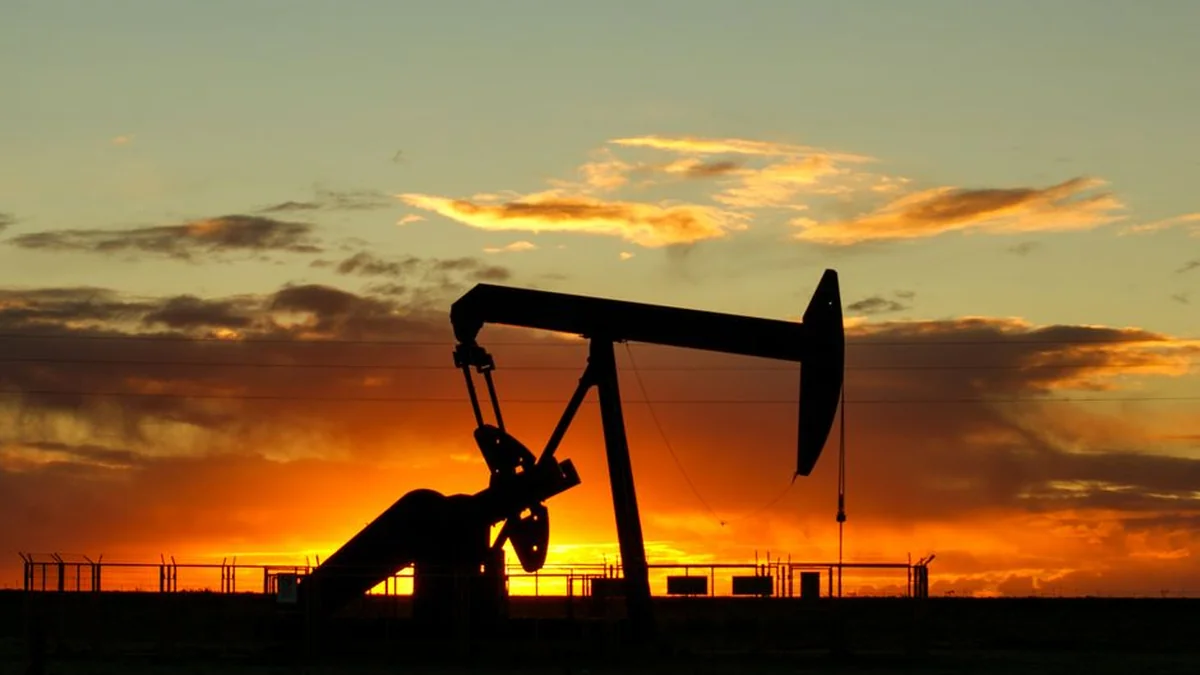
The ongoing conflict in Iran is generating conditions of significant volatility within global oil markets. While fluctuations in crude oil pricing are notable, analysts point to deeper structural issues threatening the stability of fuel supplies. What originated as a direct threat to oil supply, stemming from potential blockades in the Strait of Hormuz, is evolving into a comprehensive fuel supply crisis, according to reports.
Refineries are encountering a confluence of challenges—a combination of geopolitical conflict and tightening export regulations. This dual pressure is severely restricting the volume of crude oil that can be successfully processed into essential derivatives, including gasoline, diesel, and jet fuel, which are vital components powering the global economy. This situation creates what some experts describe as a near-perfect storm for the energy sector.
The core issue is not solely the raw supply of crude oil, but the capacity to refine it into usable products. A key metric used to gauge the profitability of refining operations, the diesel crack spread, has shown a dramatic increase. This rise signals heightened operational stress and economic uncertainty within the downstream segment of the oil industry.
The combination of military instability and logistical constraints means that even if crude oil remains available, the pathway to functional, refined fuel is becoming increasingly precarious. Market participants are closely monitoring how these intertwined factors—the war, export controls, and refining capacity—will stabilize the global energy supply chain.
Topics: #oil #war #perfect