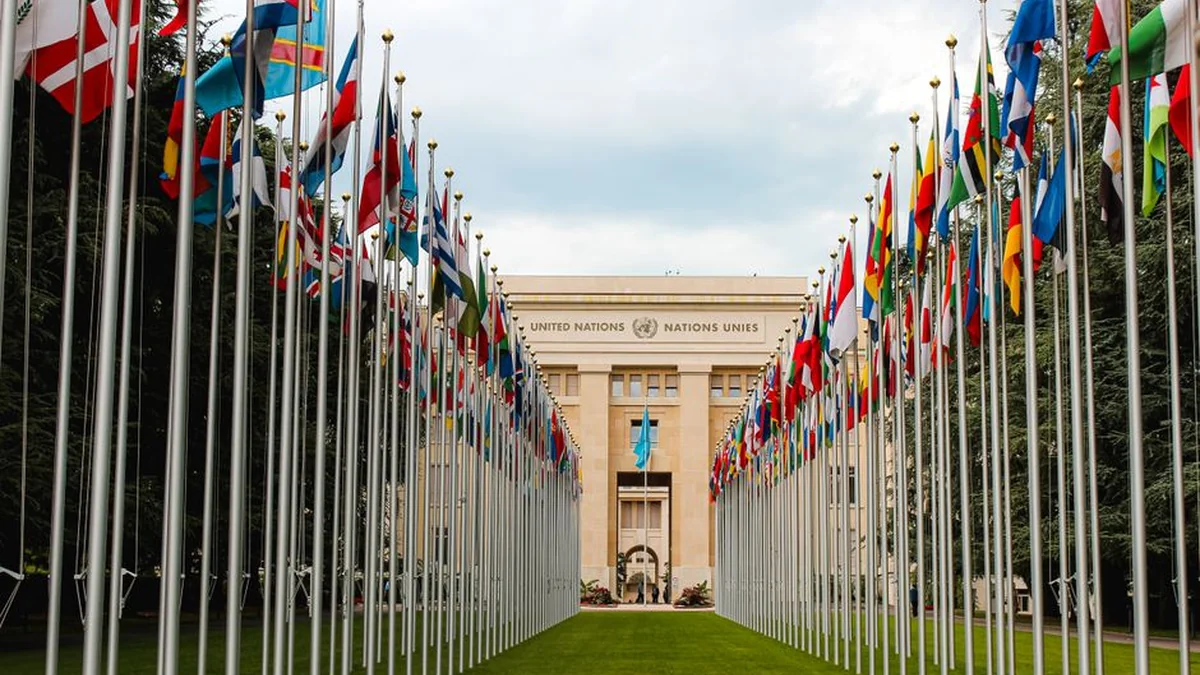
The European Parliament recently debated the new comprehensive agreements between the European Union and Switzerland, a package known as “Bilateral III.” The legislation, aimed at regulating and deepening the economic and political relationship between the two entities, received substantial support, passing with 584 votes in favor, 13 against, and 60 abstentions. The agreement’s passage sparked significant political discussion, particularly concerning the future integration models for candidate nations. During the debate, a group of opposition deputies drew attention to several potential EU member states, including Albania, Serbia, and Ukraine.
These deputies proposed that these countries adopt the structured framework established by the bilateral agreement between the European Union and Switzerland as a model for their own accession processes. Richard Werly, an expert on European issues, analyzed the strong backing for the pact. He noted that the broad support for the agreement originated from various traditional political groups, ranging from the Greens to the conservatives.
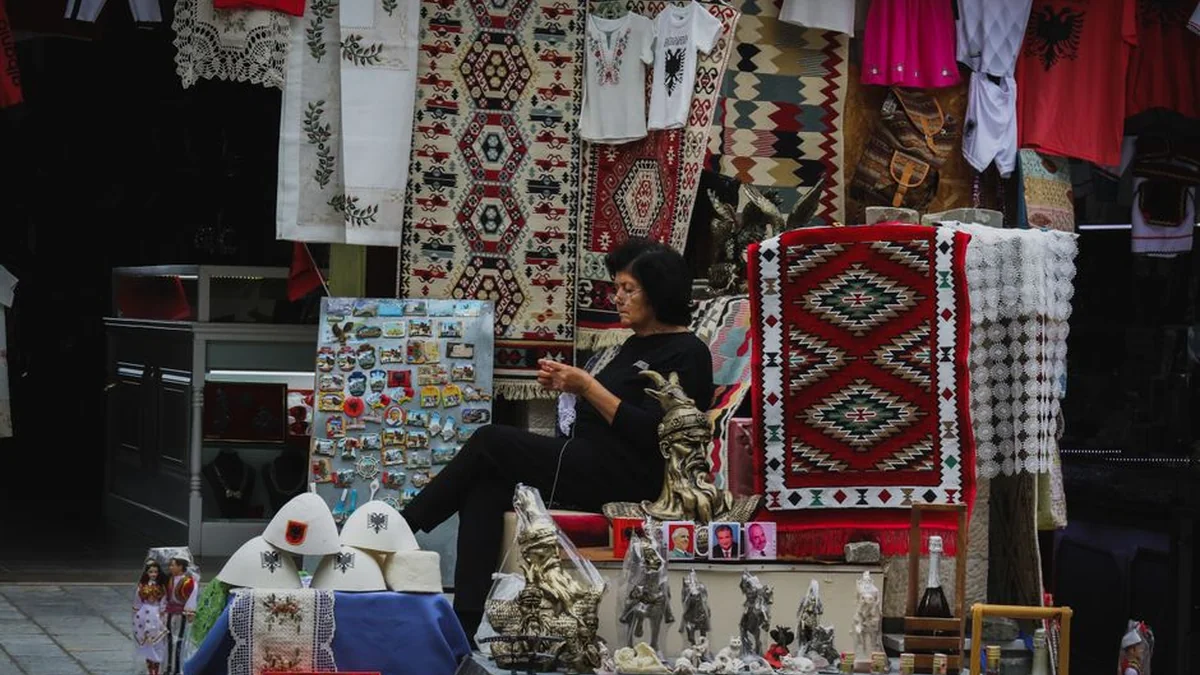
This consensus indicated a general political preference for maintaining robust and favorable relations between the European bloc and Switzerland. The mention of Albania, alongside other aspirant countries, highlights the ongoing political interest in establishing clear pathways toward full membership within the European framework. The Swiss model, therefore, has become a focal point in discussions about deepening ties and guiding the institutional development of neighboring nations seeking closer alignment with European standards.
Topics: #european #albania #swiss