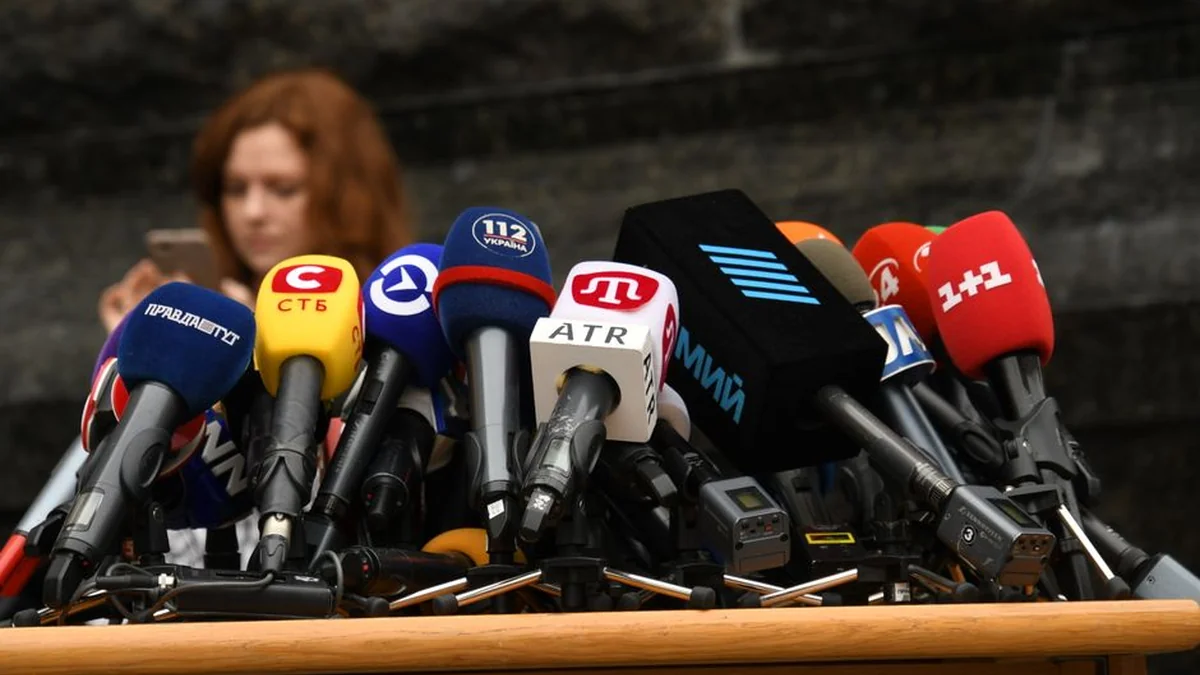
Public service journalism plays a critical role in sustaining democratic health across Europe. The function of an independent press is widely regarded as foundational to transparent governance and robust civic life. However, the stability of this essential sector is increasingly being questioned due to concerns over state influence and the management of public resources.
A central debate within European governance concerns the appropriate boundaries between state funding and editorial autonomy. When the mechanisms supporting the press become entangled with political objectives, the integrity of journalism itself can be compromised. Evidence suggests that in certain member states, significant financial resources intended for public good have been redirected.
For example, scrutiny has been directed toward the practices of Viktor Orbán’s government. Over a span of sixteen years, reports have indicated the diversion of millions of euros originally sourced from public funds. These funds have reportedly been channeled toward research institutes, various institutions, and media outlets perceived to align with the ruling political structure.
This trend raises broader questions about the commitment to independent journalism throughout Europe. Maintaining a truly public sphere requires that the funding and operational scope of news media remain insulated from partisan political control. For the democratic structures of the continent to remain resilient, ensuring the financial independence and editorial freedom of professional journalism remains a paramount policy challenge for the entire bloc.
Topics: #journalism #europe #public


The stability of Europe’s public service journalism, which is considered fundamental to transparent governance and strong civic life, is facing increasing challenges.