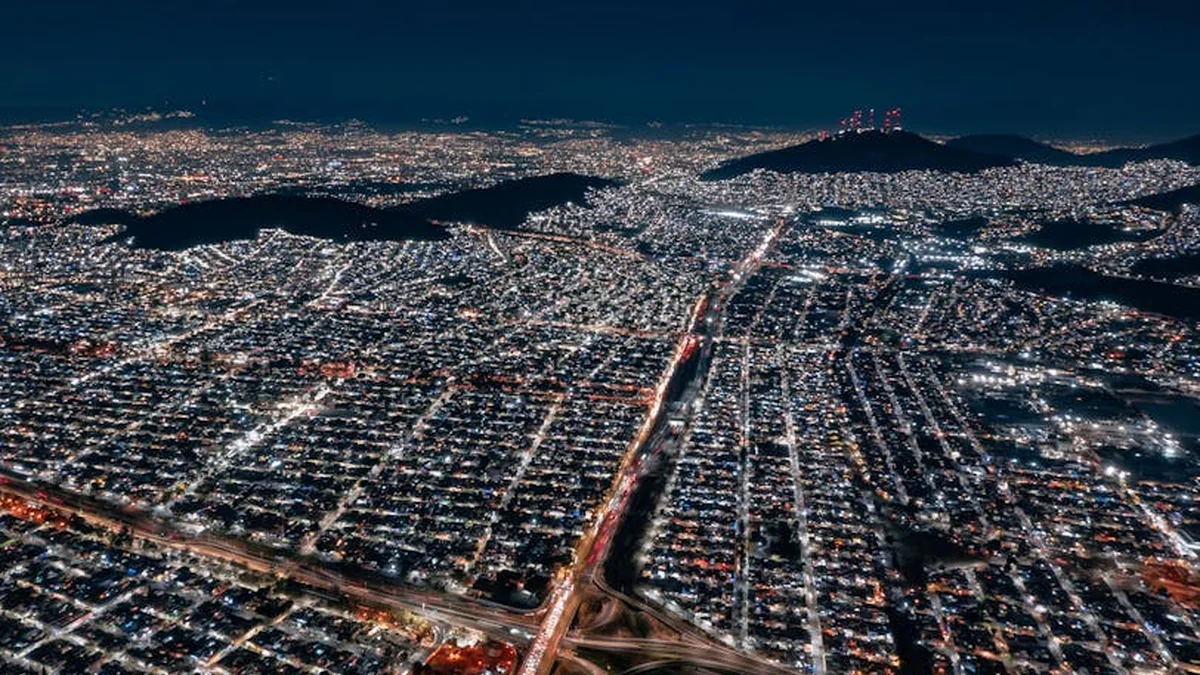
Mexico City Faces Accelerated Subsidence, Threatening Infrastructure
New data from NASA satellites reveals that Mexico City is experiencing a concerning rate of subsidence, averaging 25 centimeters (approximately 10 inches) annually. Scientists attribute this accelerating sinking to a complex combination of factors, primarily impacting the city’s infrastructure and intensifying its existing water challenges. The capital and surrounding areas are situated atop a former lakebed, creating a naturally unstable geological foundation.
Over a century, this terrain has been progressively weakened by decades of unchecked groundwater extraction and rapid urbanization. This process has dramatically depleted aquifers, leading to a gradual lowering of the land. Geophysical research indicates that this subsidence has been ongoing for over a century.
The consequences are already apparent, with numerous historic structures, including the Metropolitan Cathedral – construction of which began in 1573 – exhibiting signs of distress. “The city’s sinking poses a significant and growing threat,” stated Geophysicist Enrique Cabral. The situation underscores the urgent need for sustainable water management practices and strategies to mitigate the long-term effects of this ongoing subsidence within the Mexico City area.
Topics: #city #mexico #sinking


This is a deeply worrying development that demands immediate attention and a comprehensive plan to protect the city’s vital infrastructure.
What are the primary causes contributing to this subsidence in Mexico City?