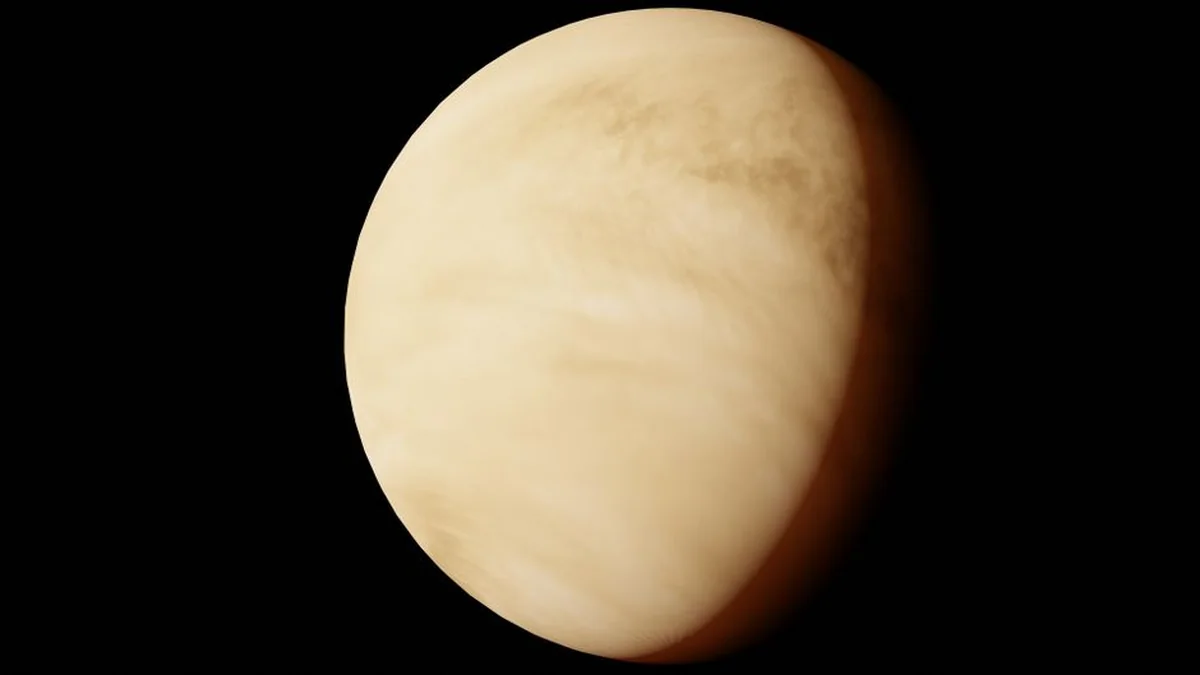
Astronomers have announced the detection of an atmosphere surrounding LHS 1140 b, a rocky exoplanet situated within its star’s habitable zone. This discovery represents a notable advancement in the ongoing search for potentially habitable worlds. Previously, atmospheric detections were predominantly limited to gas giant planets.
The search for such worlds generally relies on two primary criteria: the planet must possess a composition comparable to Earth’s, and its orbital distance from its host star must allow for the presence of liquid water on its surface. According to experts, confirming an atmosphere on a rocky planet within the habitable zone marks a significant milestone. Collin Cherubim, a planetary scientist at Harvard University, stated that this finding is unprecedented, noting, “It is the first time that someone has found an atmosphere on a rocky planet in the habitable zone of another star.”
LHS 1140 b is classified as a “super-Earth,” meaning it is larger than Earth but smaller than Neptune.
The confirmation of an atmosphere around this specific planet provides crucial data points for astrobiologists. Future research will focus on characterizing the composition of this atmosphere to better assess the potential for life and refine models used to identify other potentially habitable exoplanets. This latest discovery bolsters the field’s capability to analyze terrestrial worlds beyond our solar system.
Topics: #habitable #planet #discovery