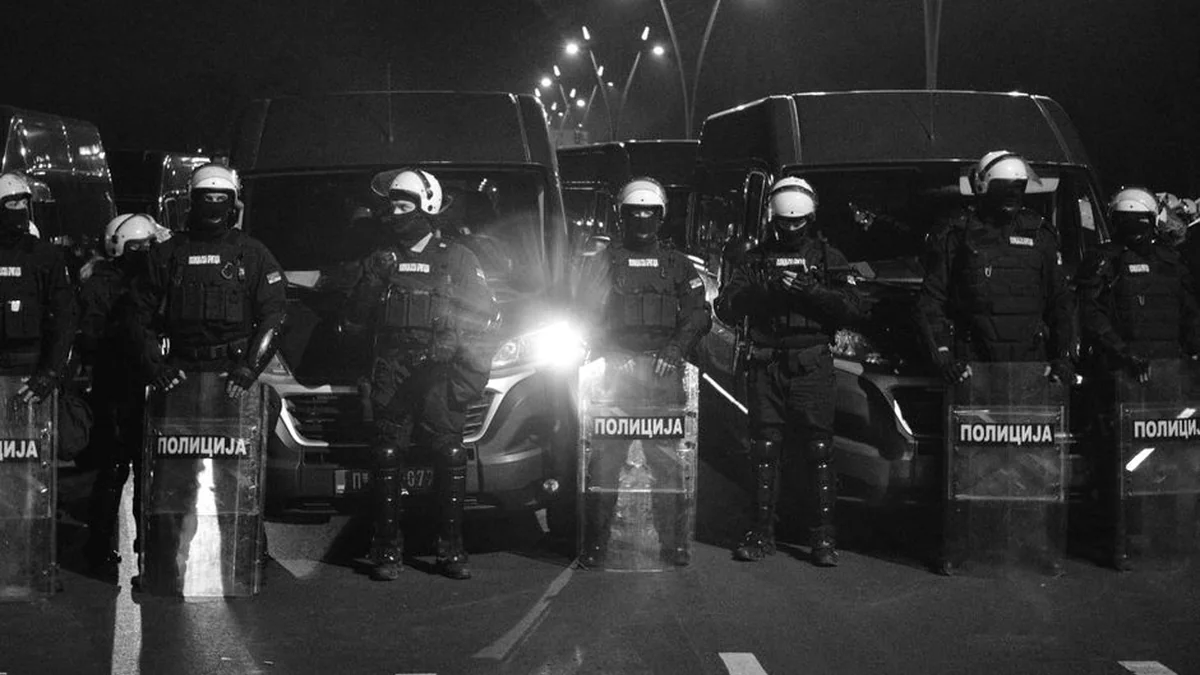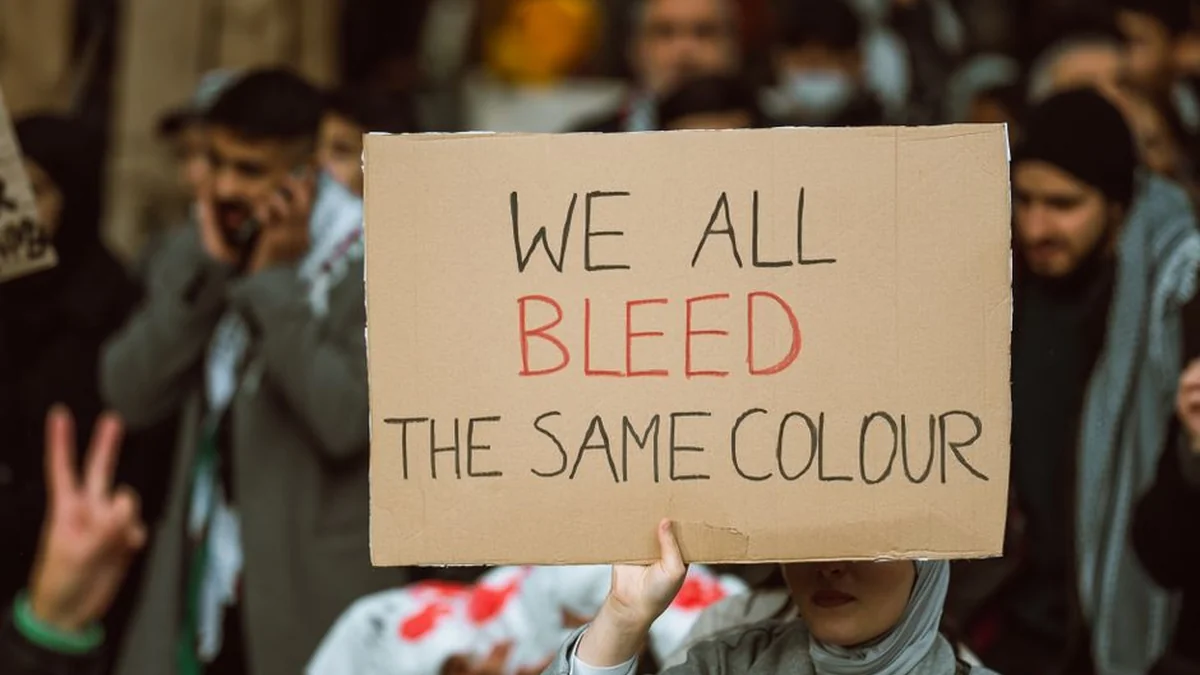
Every evening, protesters convene in the same square in Albania, maintaining the same symbols and articulating the same core demands. This sustained resistance, which has persisted for over twenty days, has transformed the “flamingo revolution” into one of the most significant civil movements since the end of the communist era in Albania. The gathering public is channeling years of accumulated discontent, voicing grievances that they feel are not being adequately addressed by established political structures.
This ongoing protest movement, which has now spanned three weeks, cannot be attributed solely to recent developments. According to academic Artan Fuga, the underlying cause is a deep-seated dissatisfaction that has built up over years, existing outside the confines of formal institutions and traditional politics. Fuga suggests that characterizing the protest merely as an unexpected outburst of anger overlooks the deeper historical context of the discontent.
The consistent nature of the protest—with demonstrators returning to the same location nightly—underscores the depth of the public sentiment. The movement represents a sustained refusal to accept the status quo, making it a focal point of national discussion. For many observers, the continued presence of the protest highlights a systemic disconnect between the populace and the existing political framework in Albania.
The enduring nature of the demonstrations suggests that the underlying issues driving the protest are structural rather than transient.
Topics: #protest #albania #same