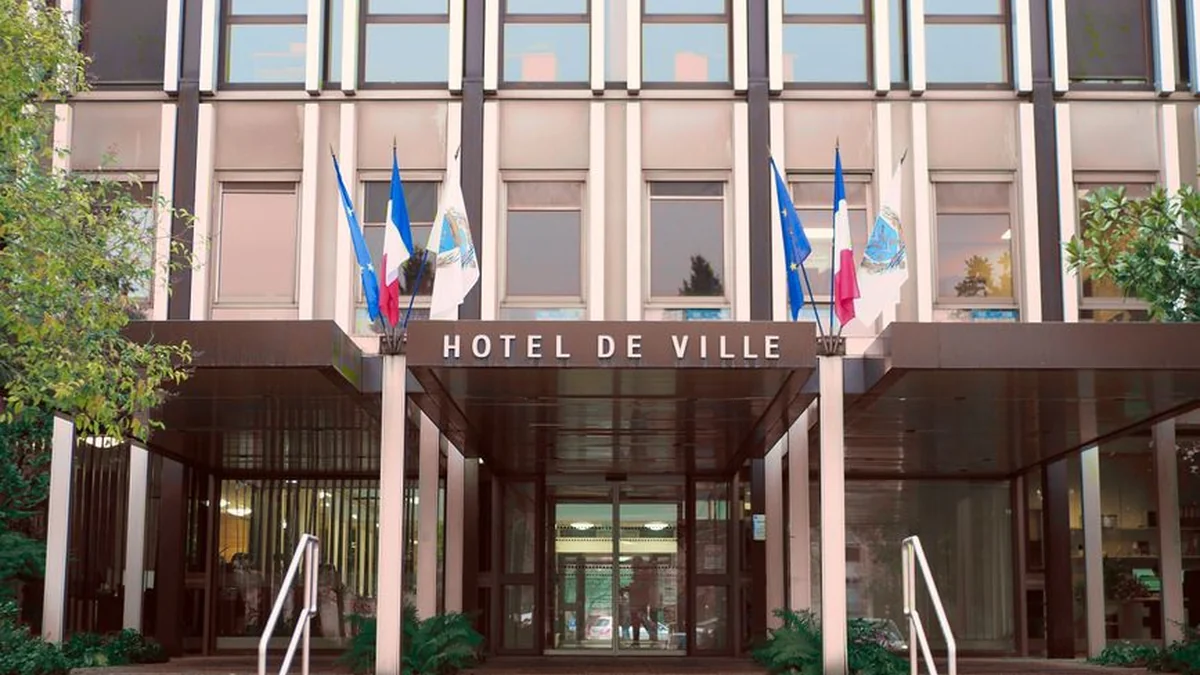
The French newspaper Le Monde diplomatique has published an analysis suggesting that the European Union’s engagement with the Western Balkans may be shifting from a focus on integration to one characterized by pragmatic exploitation. According to the report, the geopolitical trajectory of the EU is increasingly being shaped not within the formal diplomatic settings of Brussels, but rather in peripheral regions such as Gjirokastër in northern Albania. The article details concerns regarding the EU’s current operational relationship with Albania, alleging instances of exploitation.
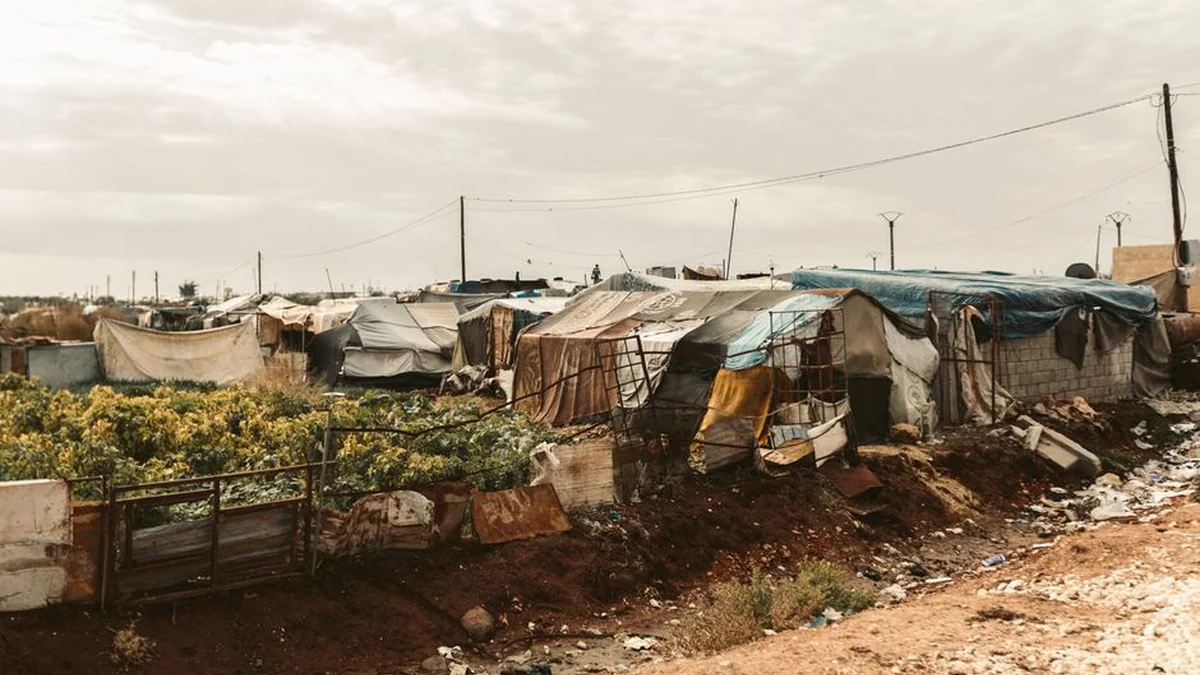
These concerns include the alleged use of the country to intern refugees, the removal of medical professionals from Kosovo, and the utilization of Albanian facilities for housing convicted criminals. Furthermore, the analysis points to Serbia as an area of significant EU interest, not solely for democratic alignment, but for stabilizing the regime of Aleksandar Vučić and accessing its valuable minerals. Le Monde diplomatique contends that the official rhetoric surrounding EU enlargement appears to be giving way to a more transactional relationship.
The publication suggests that the EU is leveraging the Western Balkan states for specific strategic and economic gains, implying that the underlying motivation is becoming less about full membership and more about securing regional stability and resources. This shift suggests that the future framework for the EU’s expansion may be dictated by immediate, material interests rather than established institutional goals.
Topics: #its #minerals #refugees