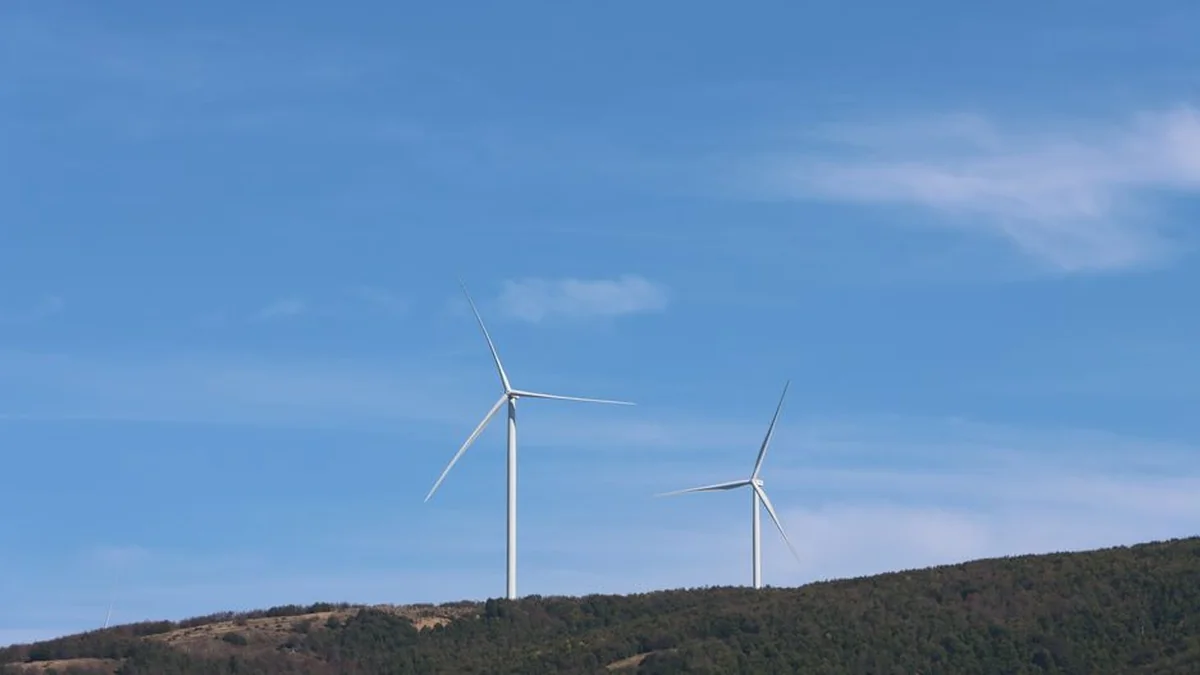
Kosovo has advanced its legal structure for developing renewable energy, according to the report, “Creating an Investor-Grade Framework for Renewable Energy in Kosovo.” However, experts noted that the primary obstacle remains transforming conceptual projects into tangible investments and actual energy production. During a panel discussion hosted by the Institute for Development Policy (INDEP) and the Konrad-Adenauer-Stiftung (KAS), energy expert Zanfina Kabashi highlighted the current state of the sector. She stated that while Kosovo possesses a clear political trajectory and defined objectives for its energy mix, it has not yet achieved the necessary investment maturity required to guarantee the financing and successful implementation of planned initiatives.
The report underscores that while policy frameworks are improving, the critical next step involves bridging the gap between legislative intent and financial execution. Developing an investor-grade environment requires more than just setting goals; it demands robust mechanisms that assure international capital. As of 2024, the nation’s operational capacity stood at 281 megawatts.
To fully capitalize on its potential in the renewable sector, the focus must now shift toward de-risking investments and attracting the private capital needed to scale up infrastructure. Addressing financing structures and streamlining regulatory processes are key components identified for solidifying Kosovo’s position within the regional energy market.
Topics: #energy #kosovo #renewable