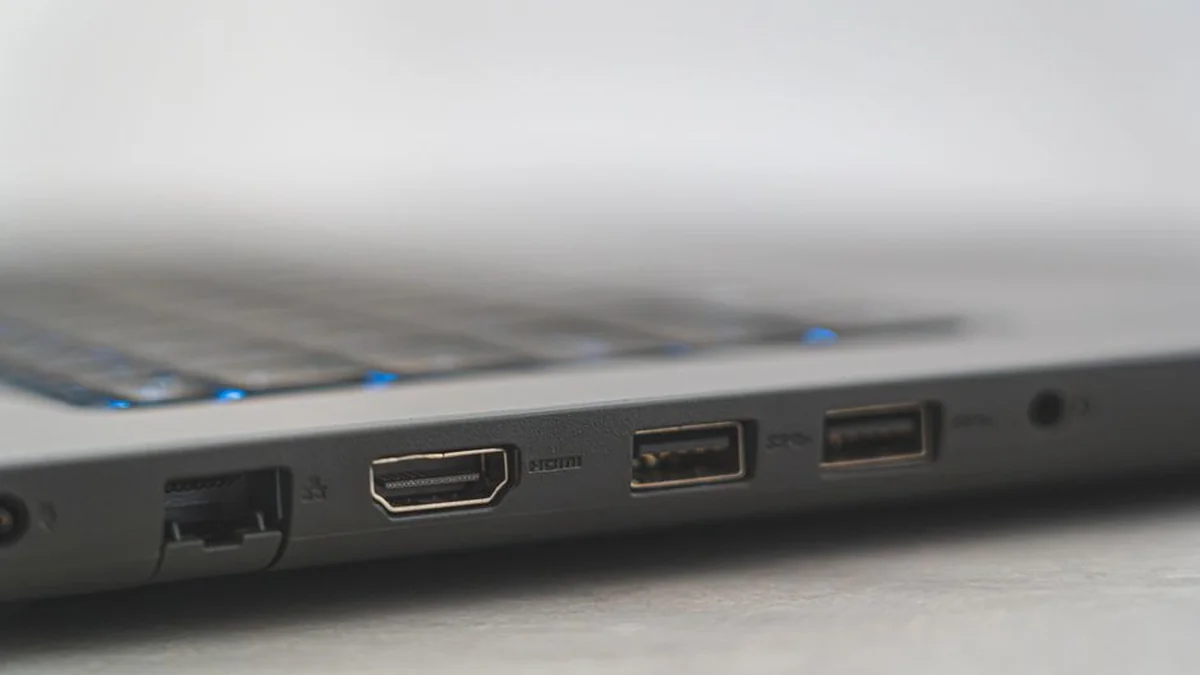
The introduction of the HDMI 2.2 standard has led to speculation regarding the necessity of purchasing updated cabling. However, for the majority of consumers, upgrading their cables is likely unnecessary. While HDMI 2.2 represents a substantial advancement in data transmission speed, the full capabilities of this standard cannot yet be leveraged by the majority of existing televisions, consoles, and computers.
For the average user, an HDMI 2.0 cable remains entirely sufficient for standard connectivity needs. The higher specifications of HDMI 2.1 are primarily reserved for more demanding applications, such as high-end gaming setups that require features like 120 Hz refresh rates or Variable Refresh Rate (VRR) technology. Technically, HDMI 2.2 supports a maximum transmission capacity of 96 Gbps, which doubles the bandwidth of HDMI 2.1’s 48 Gbps.
Despite this significant increase, most current consumer electronics do not generate a signal requiring such extreme capacity. Therefore, while the latest HDMI standard offers powerful upgrades, users should assess their specific hardware limitations before assuming they need the newest cable iteration. For most users, existing HDMI cables meet current performance requirements.
Topics: #hdmi #most #need