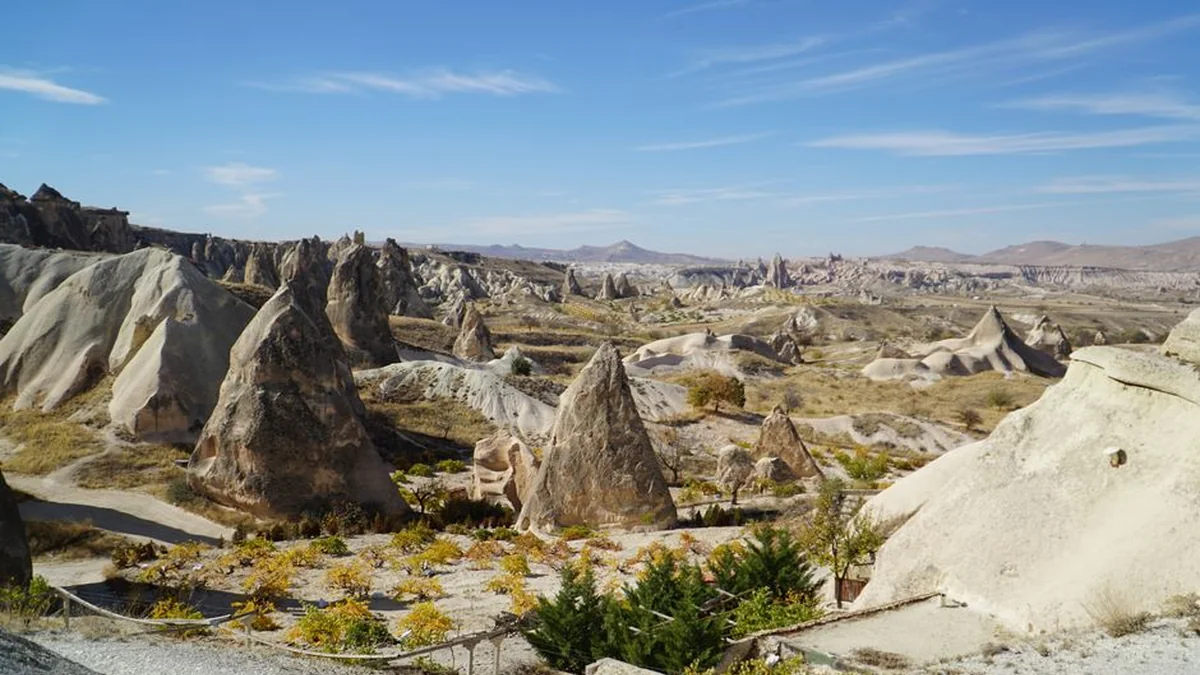
In the Salihli region of Manisa, Turkey, a time-honored pottery tradition utilizes materials sourced from within the boundaries of the UNESCO Global Geopark. This specialized craft involves processing local volcanic stones to create durable cooking pots and trays. The process begins with the extraction of the raw stones from the geopark area.
Locally, men are responsible for transporting these materials from their original sources to residential sites. At these locations, the stones undergo initial preparation, where they are ground into a fine powder using specialized machinery. This resulting powder is then combined with clay, which is sourced from local riverbeds, to form a workable paste.
The shaping of the vessels is traditionally managed by women, who work in workshops established within their courtyards. They expertly mold the prepared paste into various cooking vessels and pots. Complementing this, the men in the community manage the critical stages of firing the pottery and subsequently handling the marketing and distribution of the finished goods.
A defining characteristic of these products is their inherent quality, derived directly from the volcanic composition. The materials provide a natural durability and a distinctive sheen, eliminating the need for supplementary processing or coatings. This commitment to utilizing the natural resources of the geopark ensures that the resulting pottery remains both functional and representative of the region’s deep cultural and geological heritage.
Topics: #volcanic #stones #geopark