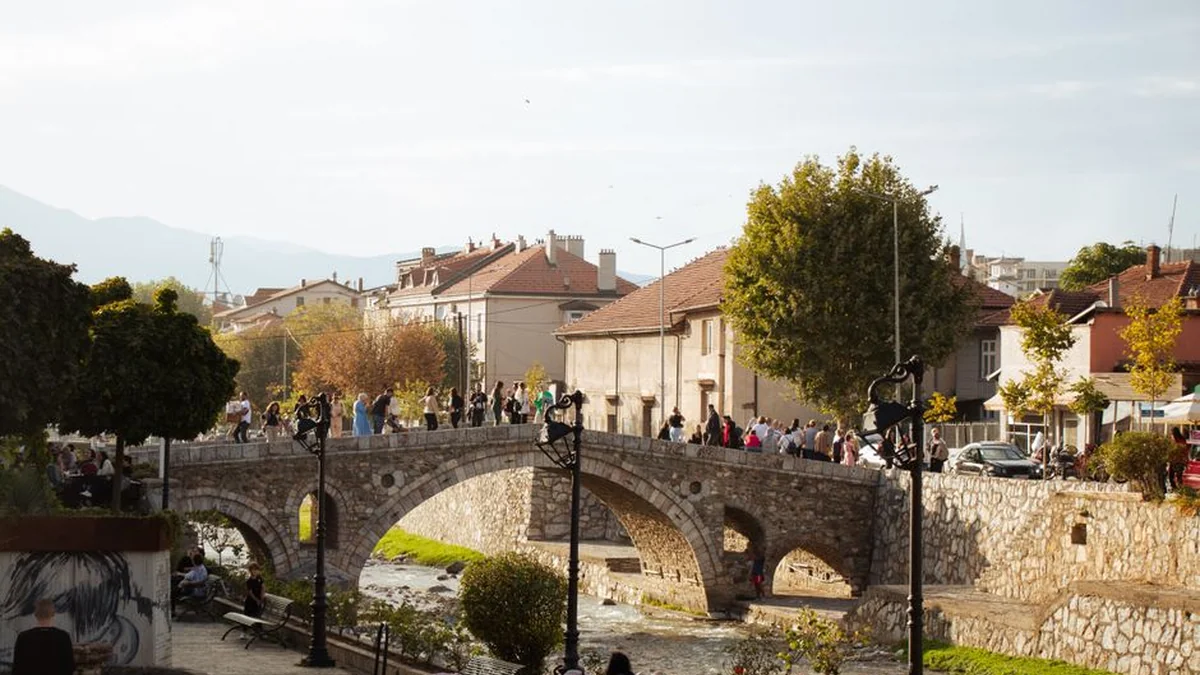
Western Balkan countries are currently navigating labor shortages, a trend exacerbated by high rates of youth emigration. This demographic shift has led to vacant job positions that are increasingly being filled by foreign workers from other nations. However, the willingness of local citizens to support this reliance on external labor varies across the region.
According to the “Security Meter 2025” survey conducted by the Regional Cooperation Council, public opinion regarding the employment of foreign nationals shows mixed results. On average across the six surveyed nations, 57% of respondents expressed support for allowing foreign workers to fill job vacancies. Conversely, 33% of respondents were opposed to this policy, while 10% indicated no definitive opinion.
The survey highlights that support levels are not uniform across the region; Albania reported the highest degree of backing for this labor strategy. Kosovo has also been noted for its relatively open stance toward integrating foreign labor into its economy. The data suggests that while economic necessity is driving the integration of immigrant labor into the workforce, the acceptance of this trend among the local populations remains a variable factor across the different countries.
The findings provide a snapshot of the societal dialogue occurring in response to shifting labor market dynamics in the Balkans.
Topics: #countries #foreign #citizens