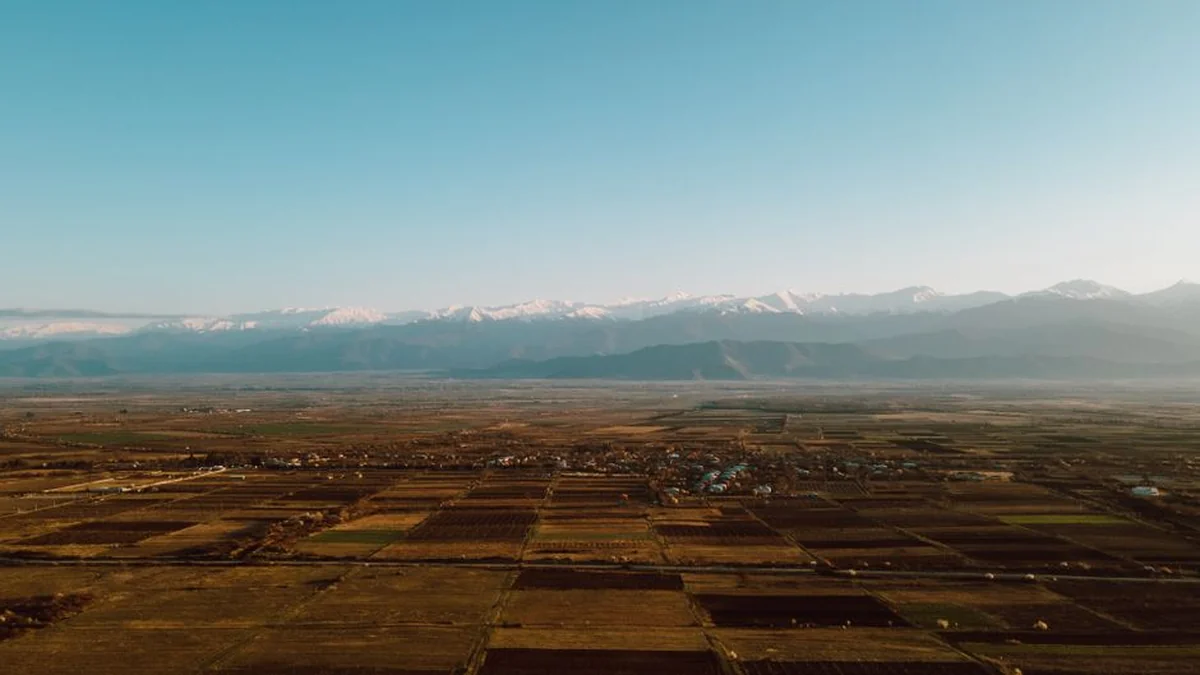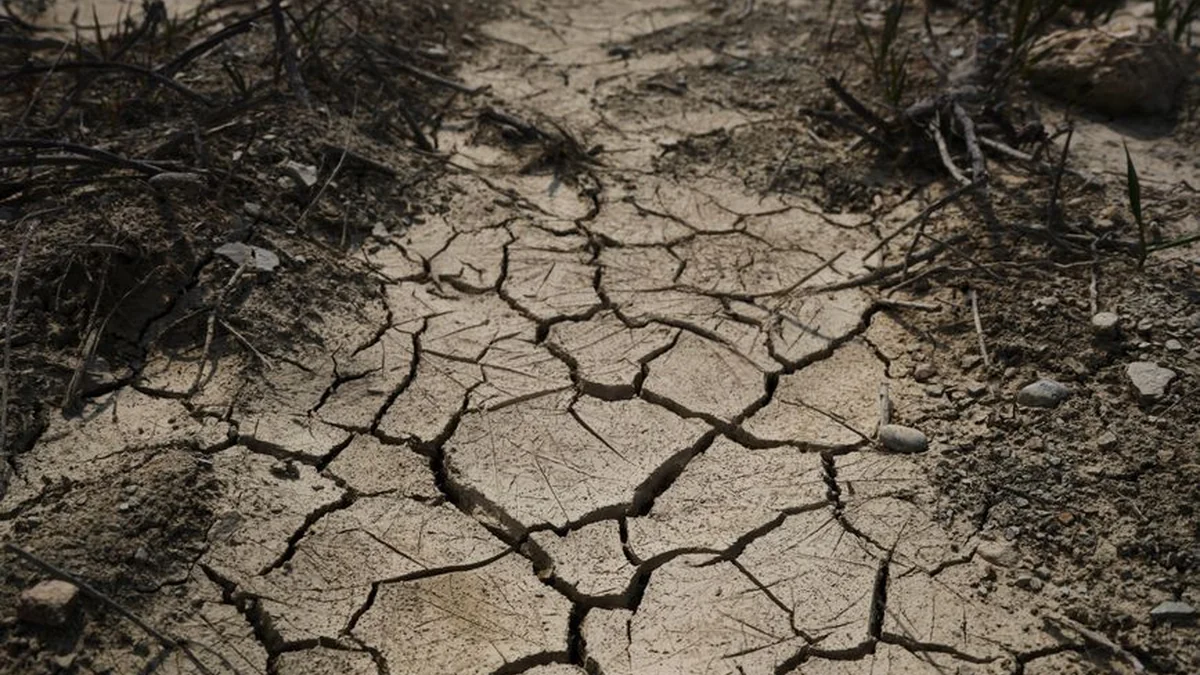
Prolonged periods of intense heat and drought across the continent are leading to critically low levels in Europe’s major river systems. These diminished water reserves present significant challenges across multiple sectors, impacting everything from commercial transport and energy generation to agricultural viability and general municipal water supplies. According to current reports, the most severe hydrological situations are being observed in several key nations, including Germany, the Netherlands, Hungary, Serbia, Romania, and Italy.
International experts warn that sustained high temperatures, particularly those exceeding 40 degrees Celsius, threaten to exacerbate the existing water scarcity across the region. A primary concern centers on major arteries like the Rhine River, which in Germany and the Netherlands has reached some of its lowest recorded measurements at various points. This decline in water volume is directly complicating the navigation of commercial shipping vessels, thereby increasing operational costs for the transport industry.
Authorities have responded by advising that cargo loads must be strategically distributed across a greater number of vessels to mitigate the impact of restricted passage. The consensus among environmental experts is that the combination of persistent heatwaves and reduced precipitation is fundamentally stressing the continent’s freshwater resources. Maintaining stable water levels is crucial for sustaining economic activity.
The ongoing monitoring of these major rivers underscores the immediate need for adaptive measures across water management, energy planning, and agricultural practices throughout the affected areas.
Topics: #experts #heatwaves #water