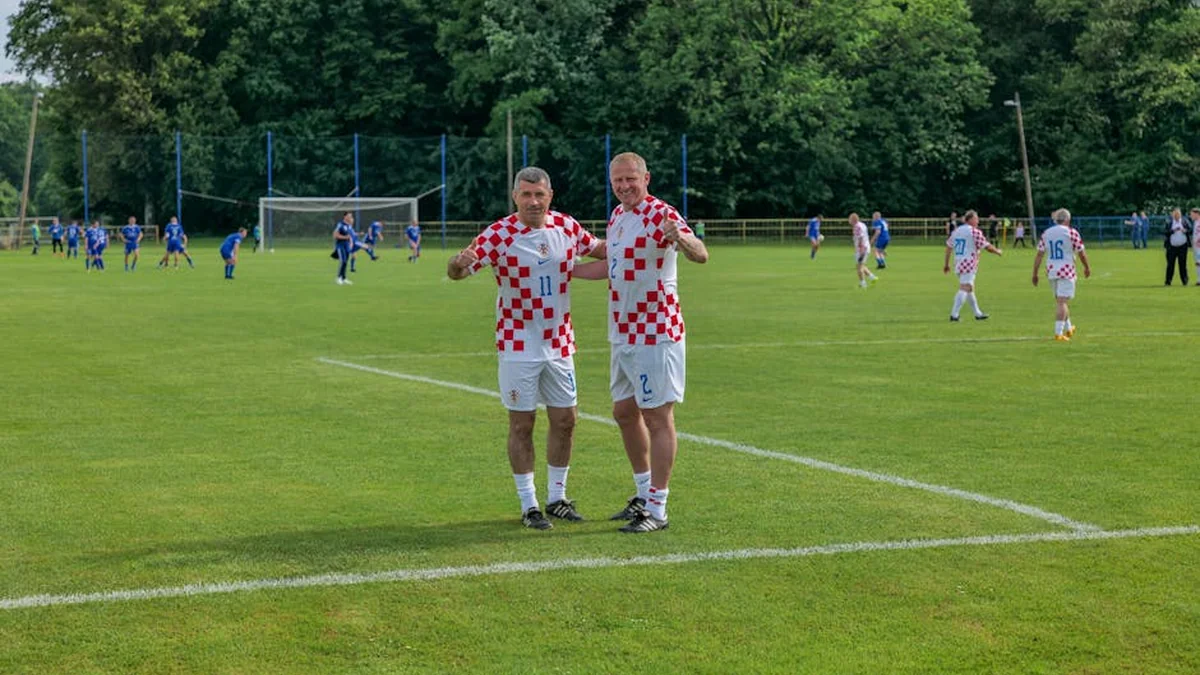
In contemporary global football, success on the highest stage is often correlated with a nation’s substantial player base, economic strength, and established infrastructure, factors that typically determine which countries participate alongside the established global powers. However, the trajectory of Croatia presents a notable exception to this pattern. This nation, with a population under four million and achieving independence in the 1990s, has managed to embed itself as a consistent participant in the world’s elite football circles in a period of less than three decades.
The history of the Croatian national team in the World Cup transcends mere athletic achievement; it represents a compelling case study in resilience, inherent talent, and a sporting phenomenon that challenges conventional expectations. The narrative began prominently in the summer of 1998 in France. For a country still navigating the aftermath of conflict, securing qualification for the World Cup was a significant accomplishment.
The team’s performance that year highlighted a determined spirit. Despite the geopolitical instability the nation had recently endured, the squad demonstrated remarkable cohesion and skill on the international pitch. This early success set a precedent for the team’s subsequent development.
The sustained ability of Croatia to compete and perform against footballing giants, despite its limited structural resources, continues to be a subject of analysis within sports journalism. Their journey illustrates how dedication and localized talent can carve out a lasting presence on the global football map.
Topics: #football #phenomenon #croatia