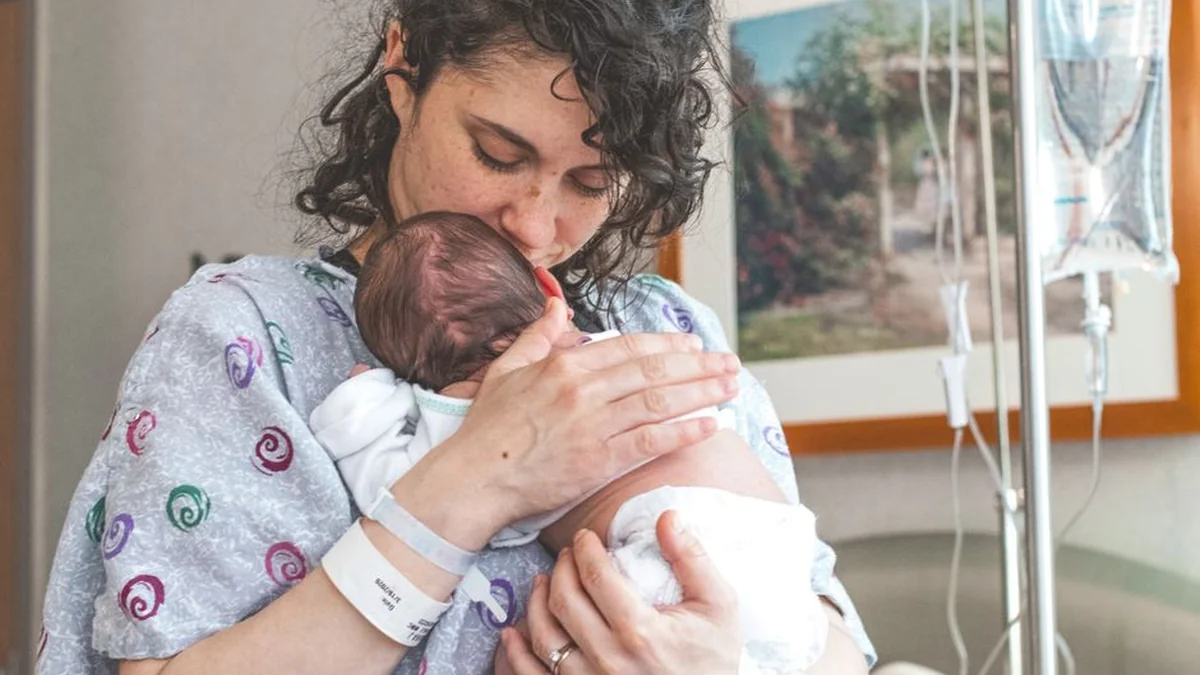
Postpartum health can present a range of challenges, and symptoms such as persistent fatigue, heart palpitations, significant mood fluctuations, or feelings of systemic imbalance may be concerning. While adjusting to life after childbirth often accounts for these changes, underlying hormonal or glandular issues must also be considered. One potential complication is postpartum thyroiditis, a condition involving inflammation of the thyroid gland.
This condition is intrinsically linked to the immune system’s response following pregnancy. It represents a recognized health concern that can manifest within the first year following childbirth. A key difficulty in managing postpartum thyroiditis is that its clinical signs often overlap with common, expected maternal adjustments, including insomnia, general exhaustion, and shifts in weight or mood.
This overlap frequently contributes to delayed or missed diagnoses. According to the American Thyroid Association, postpartum thyroiditis affects an estimated 5% to 10% of women in the postpartum period. The actual incidence rate can vary and is influenced by various contributing risk factors.
Because the symptoms are non-specific, comprehensive medical evaluation is necessary to distinguish between normal recovery adjustments and underlying glandular inflammation. Understanding the connection between the hormonal shifts of the postpartum period and the function of the thyroid gland is crucial for timely and appropriate care for new mothers.
Topics: #postpartum #thyroid #gland