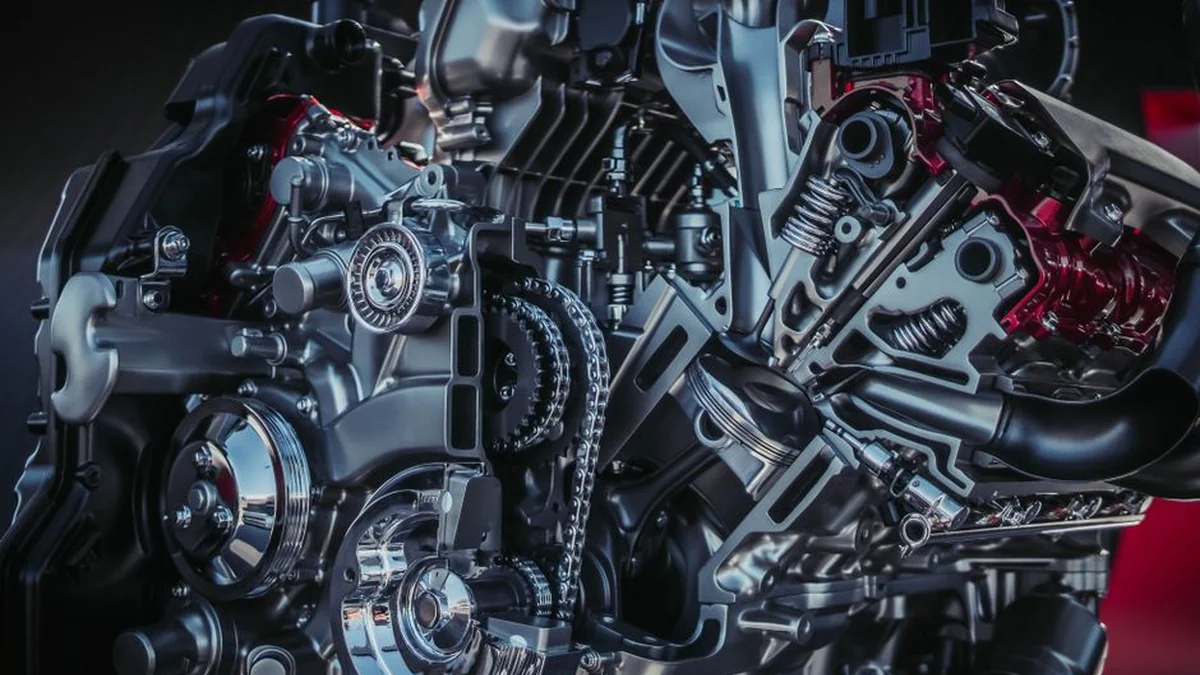
When an engine is operating normally, it is expected to idle smoothly and maintain a balanced rhythm. However, drivers may notice symptoms such as noticeable shaking, uneven combustion, or fluctuating revolutions per minute (RPMs). Typically, during idling, vehicles operate within a range of 700–800 RPM.
While experienced drivers can often detect when the engine is not running optimally, understanding what these symptoms indicate is crucial for proper vehicle maintenance. These deviations from normal operation can signal several underlying mechanical or systemic issues. For gasoline engines, several components are frequently implicated when performance falters.
One potential cause relates to worn spark plugs, which can impede the efficient ignition of the air-fuel mixture within the cylinders. Furthermore, issues with the spark plug wires or the broader electrical system can disrupt the ignition sequence. Another common area of concern involves the fuel delivery system; contaminated fuel injectors or a significantly clogged air filter can restrict the necessary flow of air or fuel.
Even minor mechanical failures, such as a damaged valve, can contribute to poor performance. Recognizing what these specific signs mean is vital, as addressing the root cause promptly can prevent more significant engine damage. Understanding when these symptoms first appear allows for timely diagnosis and repair, ensuring the engine continues to run reliably.
Topics: #engine #what #when