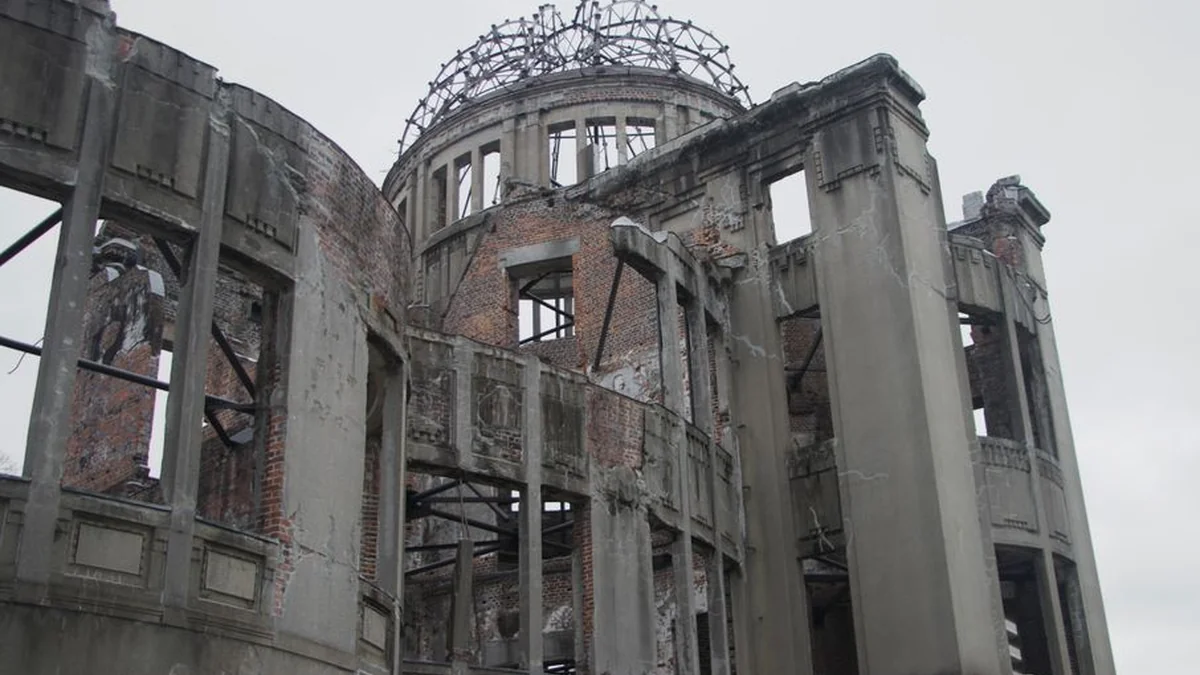
Japan recently observed the 81st anniversary of the atomic bombings of Hiroshima and Nagasaki. During commemorations, the Mayor of Nagasaki characterized nuclear weapons as “absolute evils” and urged the Japanese government to uphold the site’s established three non-nuclear principles. This anniversary coincides with a renewed national discussion within Japan regarding nuclear safety and the status of nuclear weapons.
Concerns about China’s expanding military capabilities, coupled with questions regarding the long-term nature of the United States’ security commitment to Japan, have heightened external pressures on Tokyo’s traditionally pacifist foreign and defense policies. These geopolitical shifts have prompted closer scrutiny of Japan’s long-standing stance. The commitment to the three non-nuclear principles—which stipulate that Japan shall not possess, produce, or permit the introduction of nuclear weapons onto its territory—remains a central point of discussion.
Prime Minister Sanae Takaichi has not provided confirmation regarding the continuity of adherence to these principles. Furthermore, the Ministry of Defense, through officials such as Shinjiro Koizumi, has been involved in discussions reflecting the evolving security landscape and the implications for Japan’s defense posture in the region.
Topics: #japan #nagasaki #nuclear