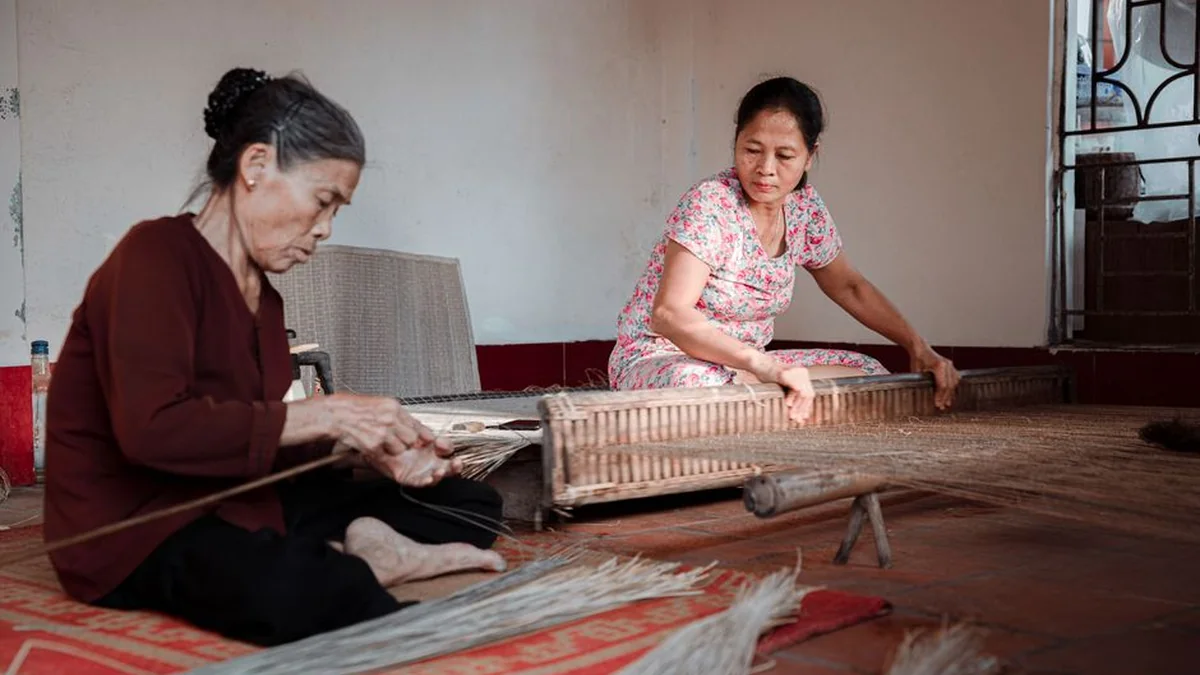
In a rural sector of Gaziantep, a center is providing vocational training in traditional hand weaving to local women. The program requires trainees to attend classes five days a week, equipping them with skills to create goods for both personal use and for items commissioned by the center. By receiving a portion of the revenue generated from the sale of these products, the participating women are able to significantly contribute to their family economies.
Melike Aslanoglu, an instructor at the workshop, highlighted the cultural significance of the craft while noting its precarious status. She stated that traditional hand weaving is a skill approaching obsolescence. Currently, twelve women are undergoing this specialized training.
Aslanoglu explained that the center’s primary objective is to ensure the craft’s continued relevance by modernizing the process. The efforts focus on adapting the intricate techniques of weaving to meet contemporary market demands, transforming historical methods into commercially viable products. This initiative serves as more than just a skills workshop; it represents an economic pillar for the community.
The structured training empowers these women, transforming a dying art form into a sustainable source of income. Through the rigorous process of learning and applying traditional weaving techniques, the participants are not only preserving cultural heritage but are also establishing a reliable means to contribute financially to their households.
Topics: #women #weaving #contribute