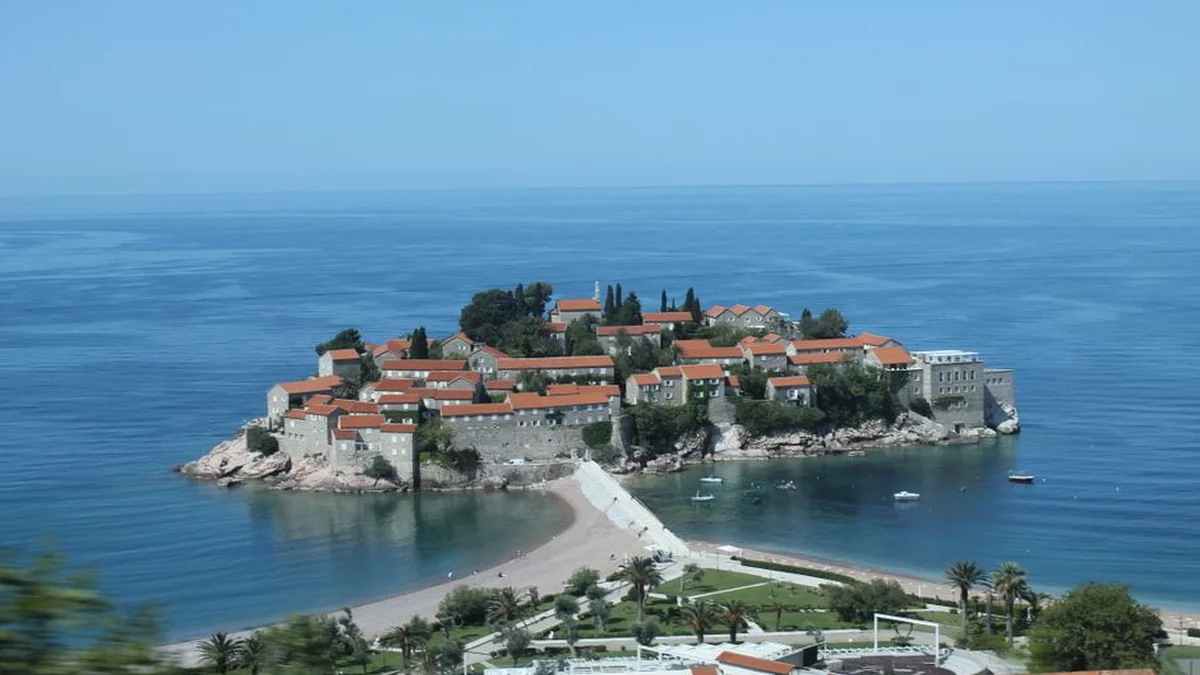
Montenegro is reportedly advancing closer to European Union membership, although concerns are emerging within Brussels regarding potential interference from Serbia. Currently, Montenegro is viewed by many observers as the most advanced candidate nation in the Western Balkans for EU accession, contrasting with the significant stagnation of Serbia’s own process. The difficulties facing Serbia include its failure to open all necessary negotiation chapters, with recent efforts toward progress reportedly blocked by eight member states.
According to various European officials, diplomats, and experts, the primary concern centers on the extent of Belgrade’s political influence operating within Montenegro. This influence is reportedly channeled through pro-Serbian political groups, media outlets, and the Serbian Orthodox Church. These concerns suggest that external actors may be attempting to shape the internal political landscape of Montenegro.
For instance, former Montenegrin Deputy Prime Minister Jovanka Marović has publicly accused Serbia of actively attempting to influence the national identity and political trajectory of Montenegro. The ongoing divergence in EU integration progress highlights a key geopolitical dynamic. While Montenegro continues to push forward its path toward full membership, the perceived external pressure emanating from Serbia remains a focal point of discussion among EU policymakers, underscoring the delicate nature of regional stabilization and adherence to EU accession standards.
Topics: #serbia #membership #montenegro