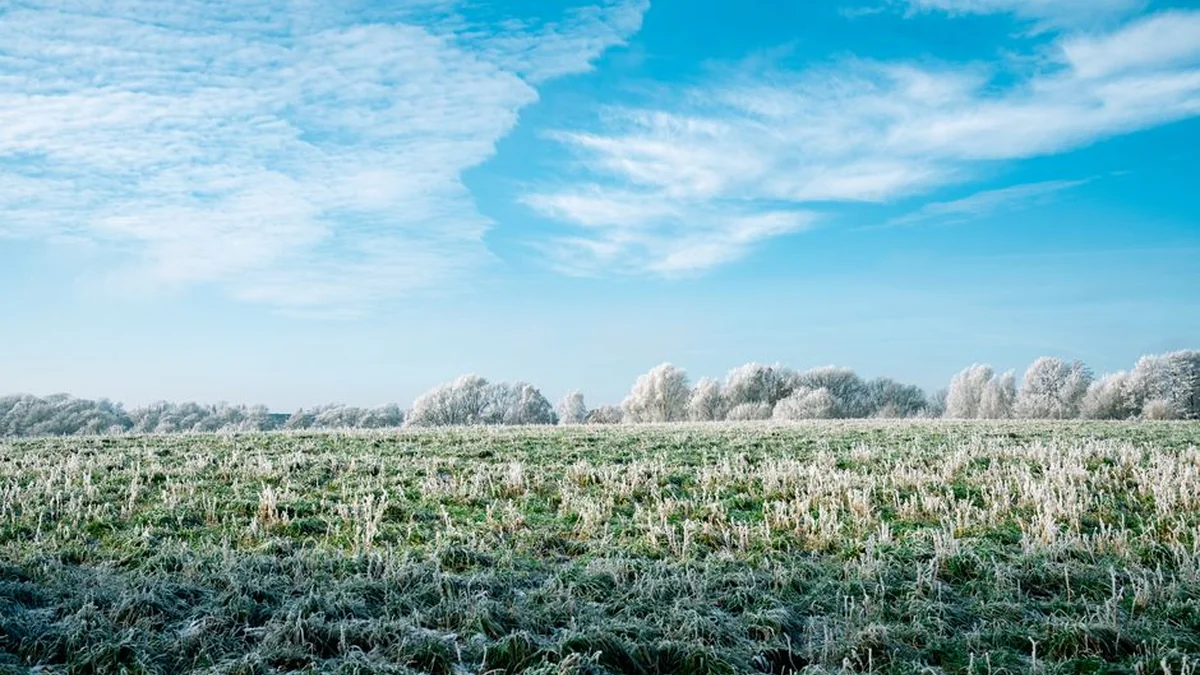
Rising temperatures and dry conditions across the fields have significantly increased the workload and number of firefighting interventions. According to the Territorial Unit Against Fire in Tetovë, the unit reports at least ten interventions daily. A substantial majority of these incidents, approximately 90 percent, are attributed to agricultural practices, specifically the burning of crop residue by farmers.
The increased frequency of these incidents is linked to the ongoing wheat harvest. As farmers clear fields, the practice of setting controlled burns contributes to a high volume of fires that require immediate attention. Due to this seasonal surge, firefighters are maintaining a constant operational tempo, as July and August constitute the peak “fire season.” Consequently, the entire team remains on high alert and unable to take leave.
The local firefighting unit emphasizes the sustained commitment required during this period, noting that the high volume of interventions necessitates continuous deployment. Furthermore, the unit reported receiving significant support from the sub-station, which assists in managing the escalating demands placed on resources across the region’s fields.
Topics: #interventions #temperatures #fields