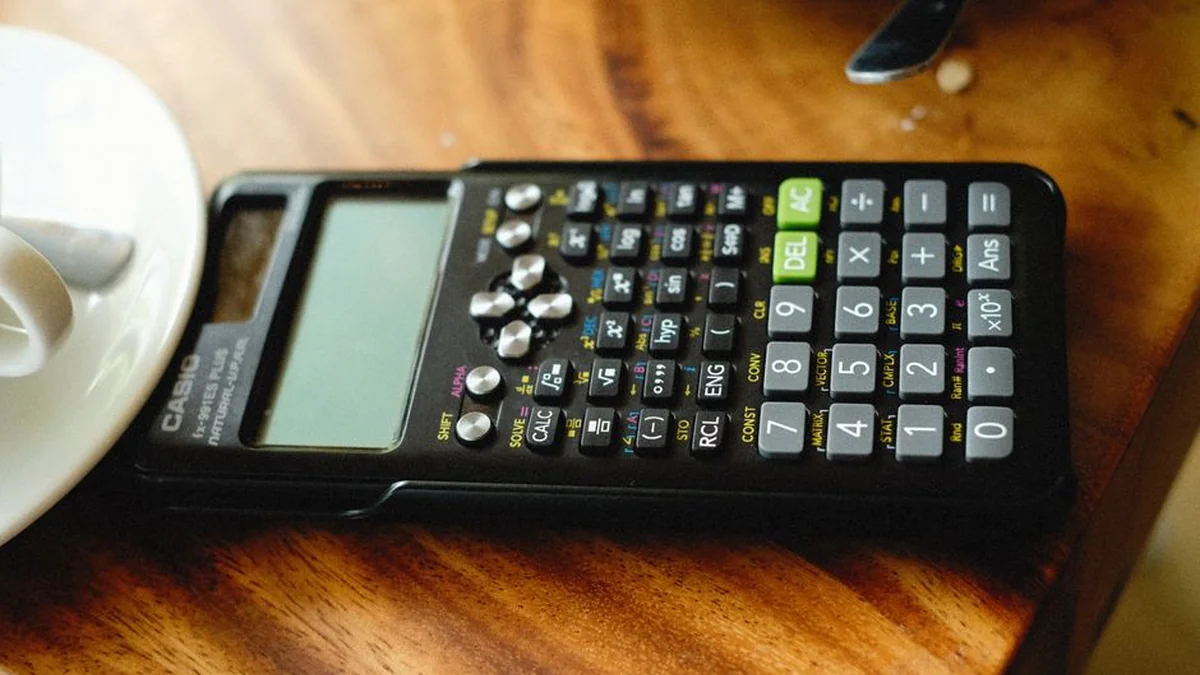
The controversy surrounding the introduction of electronic calculators in the mid-1980s highlighted a recurring concern: the impact of technology on fundamental human cognitive abilities. This sentiment was vividly illustrated by the “calculator scandals” of 1986. In April of that year, a group of concerned educators gathered outside the National Council of Teachers of Mathematics (NCTM) convention in Washington D.C.
They organized a protest that drew attention to the proposed policy recommendations. Led by textbook author John Saxon, the demonstrators marched carrying signs bearing the message, “The button is nothing compared to the brain.”
The core objection raised by the teachers centered on the recommendation to integrate electronic calculators across all educational levels, from elementary homework assignments to formal testing procedures. Many educators expressed significant apprehension that the reliance on external computational tools would impede the development of students’ inherent mathematical thinking skills.
They feared that outsourcing arithmetic processes to devices would lead to a permanent decline in students’ ability to perform mental calculations and solve problems abstractly. This historical incident serves as a notable example of the ongoing dialogue between pedagogical methods and technological advancement. The debate continues to frame how educational institutions balance the utility of modern tools with the necessity of fostering robust, independent critical thinking among students.
Topics: #teachers #calculators #technology