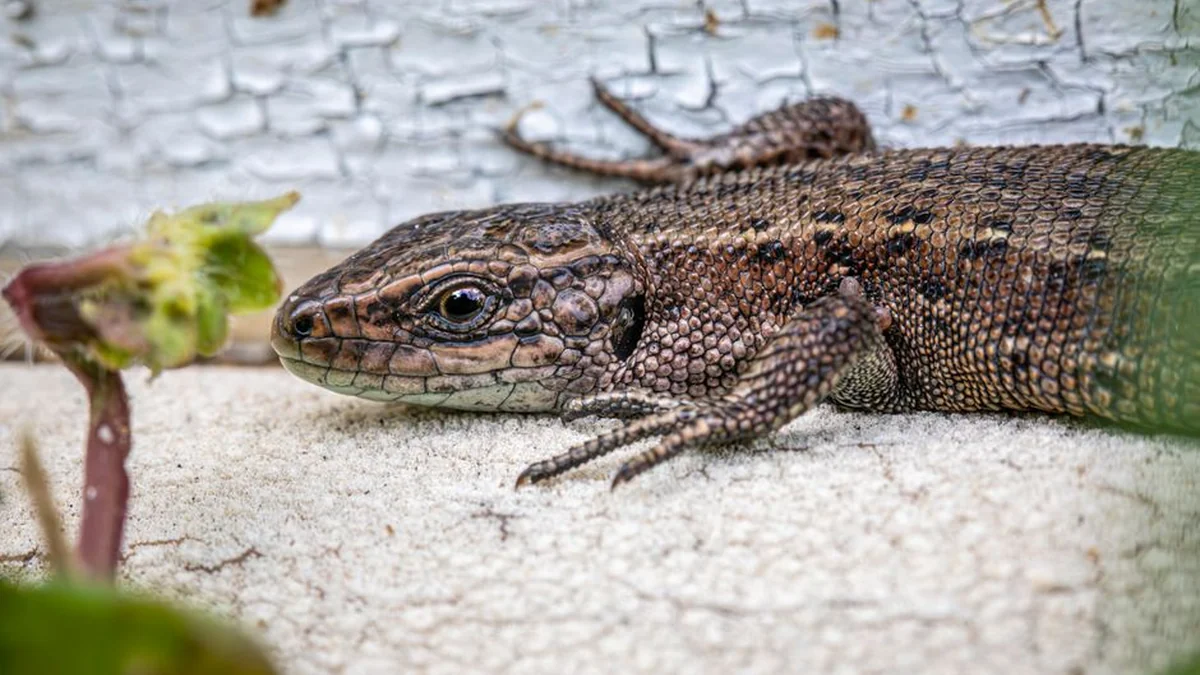
Scientists are investigating the biological mechanisms of certain reptiles, specifically focusing on the potential insights their genetics hold for human longevity and immune function. Researchers are studying the sophisticated immune systems of these animals to uncover strategies that could advance human medicine, particularly in the fight against chronic diseases and infections. Among the subjects of this research are the night lizards, which are noted for being among the longest-lived reptiles by size.
These lizards possess remarkable biological adaptations, including a demonstrated capacity to adapt to various pathogens and significantly strengthen their innate defenses against invading viruses. A recent study published in the journal Nature examined the complex biological data contained within these species. The primary objective of the investigation is to determine if the genetic pathways responsible for the night lizards’ robust immunity and extended lifespan can offer blueprints for human health.
Specifically, scientists are attempting to decode how these animals achieve such high levels of resistance, including mechanisms that may help prevent cancer development. The findings suggest that the longevity genes within these reptiles may indeed contain crucial information regarding disease resistance. By analyzing the biological processes that allow these lizards to manage chronic challenges—such as viral exposure and cellular aging—researchers hope to develop novel therapeutic approaches.
This research pathway aims to translate the natural resilience observed in these night dwelling creatures into actionable medical treatments for humans.
Topics: #night #lizards #viruses