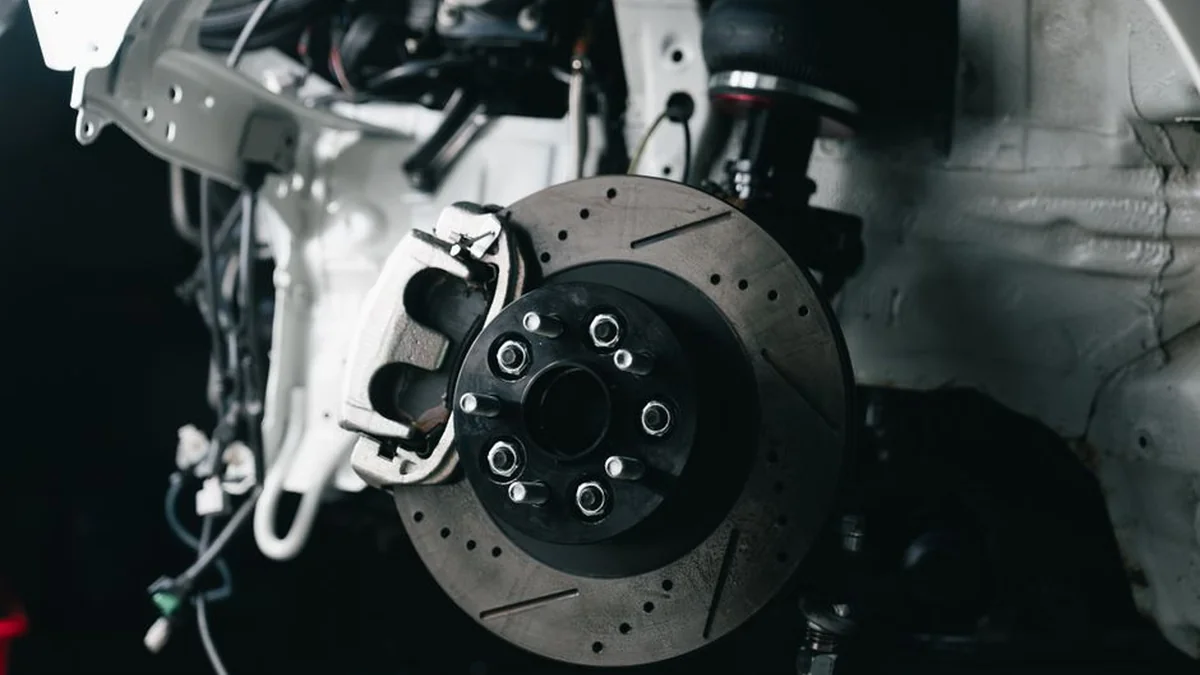
When a vehicle has been parked for an extended period, the braking system can undergo changes that may affect safety during the initial drive. Brake discs and drums, which are typically constructed from cast iron alloy, possess only a limited natural protective layer against corrosion. Exposure to a humid environment over several hours can lead to the formation of a thin layer of rust on their surfaces.
This condition worsens proportionally to the length of time the vehicle remains stationary, particularly in parking areas with poor drainage or when the brakes are subjected to road salt during winter months. This corrosion can directly impact braking performance, necessitating caution from drivers during the first journey following a period of inactivity, whether that period spans days, weeks, or longer. To mitigate potential issues, it is advisable for owners to take preparatory steps before departing.
A thorough inspection of the wheels and a gradual test of the braking system are recommended. Furthermore, driving slowly and applying the brakes gently during the initial phase of use allows the components to stabilize and helps to remove any superficial rust buildup, ensuring a safer transition back to regular operation.
Topics: #parked #brakes #when