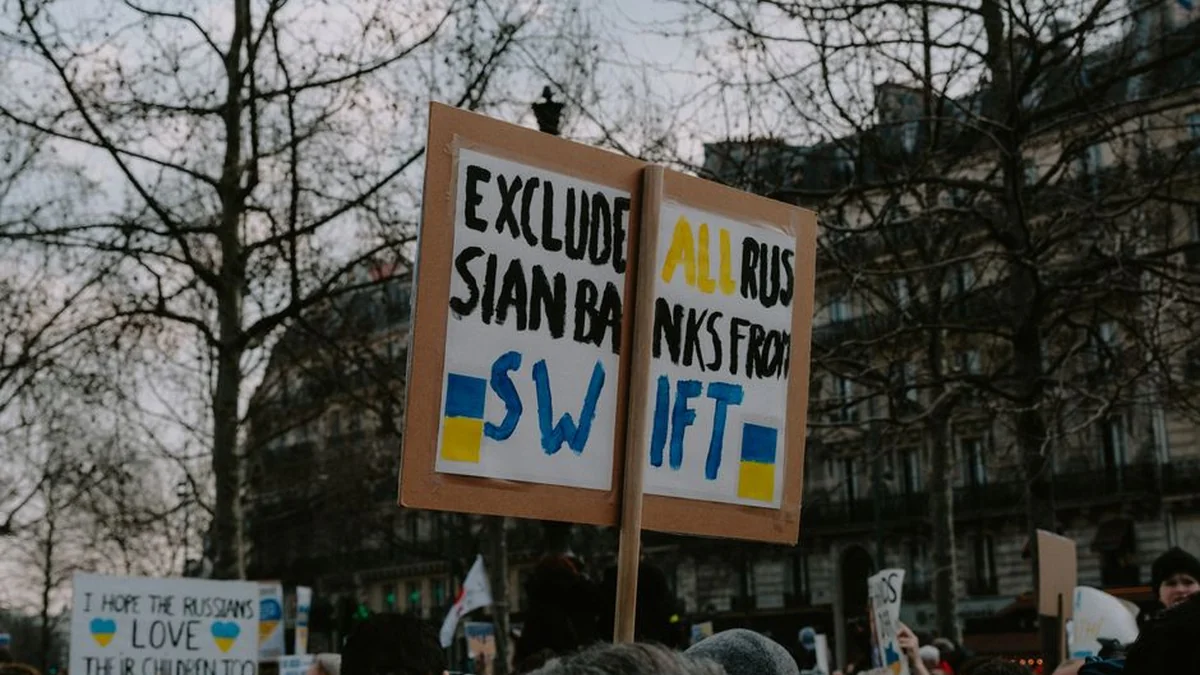
A recent statement issued by the European Union Delegation to Kosovo addressed the evolving international perception of Russia’s role as a global partner. The document noted that while Russia has historically positioned itself as a source of stability and a reliable alternative to Western powers, the discrepancy between its public declarations and its concrete actions is becoming more evident. The statement highlighted that for numerous national governments, the primary consideration remains whether continued partnership with Russia constitutes a “strategic and sustainable choice for the future.” According to the assessment provided, the pattern of engagement with Russia—characterized by instability, unfulfilled commitments, and diminishing global influence—is increasingly viewed not as a strategic asset, but rather as a potential strategic liability.
This shifting global perspective is reportedly influencing how various governments evaluate their bilateral relationships. The EU Delegation to Kosovo emphasized that the credibility of partnerships is now being measured against consistent adherence to international norms and predictable behavior. The underlying message suggests that the perceived benefits of aligning with Russia are being weighed against mounting geopolitical risks and inconsistencies in its foreign policy implementation.
Consequently, the reliability once projected by Russia is facing increased scrutiny from international policymakers.
Topics: #russia #statement #kosovo