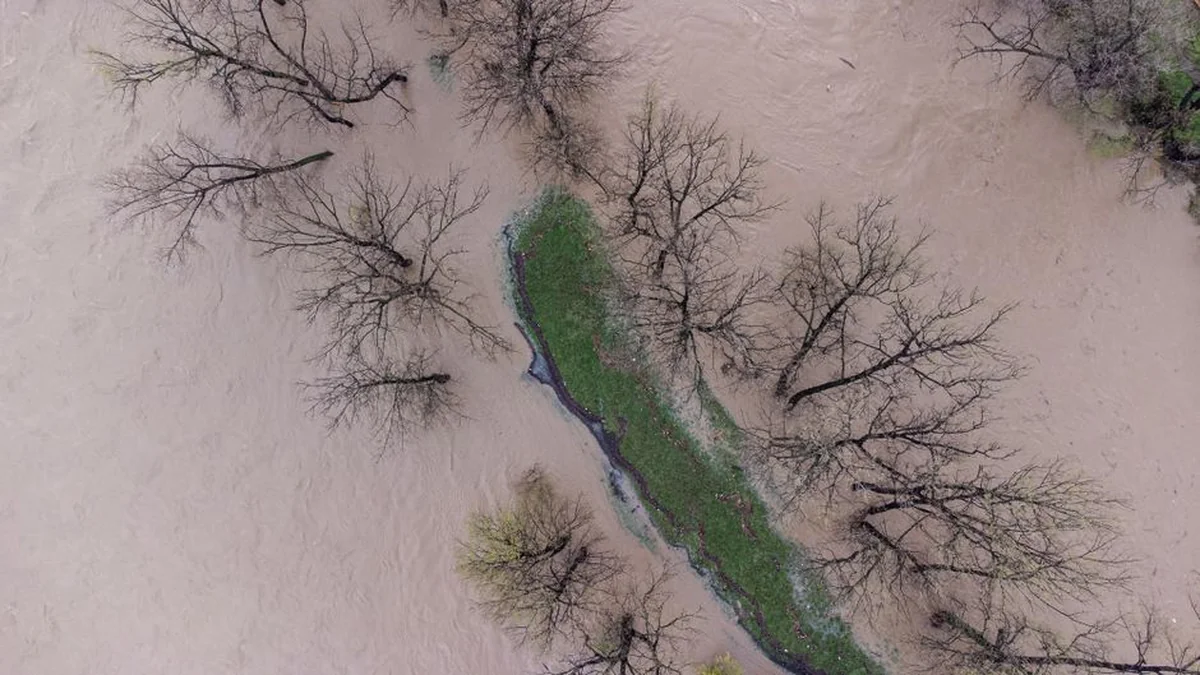
Average temperatures across Kosovo have increased over the past decade, presenting significant challenges to the agricultural sector. Farmers are currently contending with a volatile weather pattern characterized by prolonged periods of drought, intense heatwaves, and brief but heavy rainfall. This shifting distribution of temperature and precipitation is rendering agricultural production increasingly unpredictable.
Agricultural experts emphasize that adaptation is crucial for both farmers and institutional bodies. Necessary adjustments span the selection of appropriate crops and varieties, as well as modifying established planting methodologies and timelines. For the farming community, the impact of climate change transcends mere statistics; its consequences are directly observable in crop yields and subsequent household incomes.
The variability in weather patterns poses immediate threats to livelihoods. Farmers report dramatic losses, citing instances where months of labor can be undone by extreme weather events. The combination of intensifying droughts and unpredictable floods strains traditional farming practices.
Consequently, proactive measures are required to build resilience within Kosovo’s agricultural system to mitigate the growing risks associated with climate instability.
Topics: #kosovo #droughts #floods