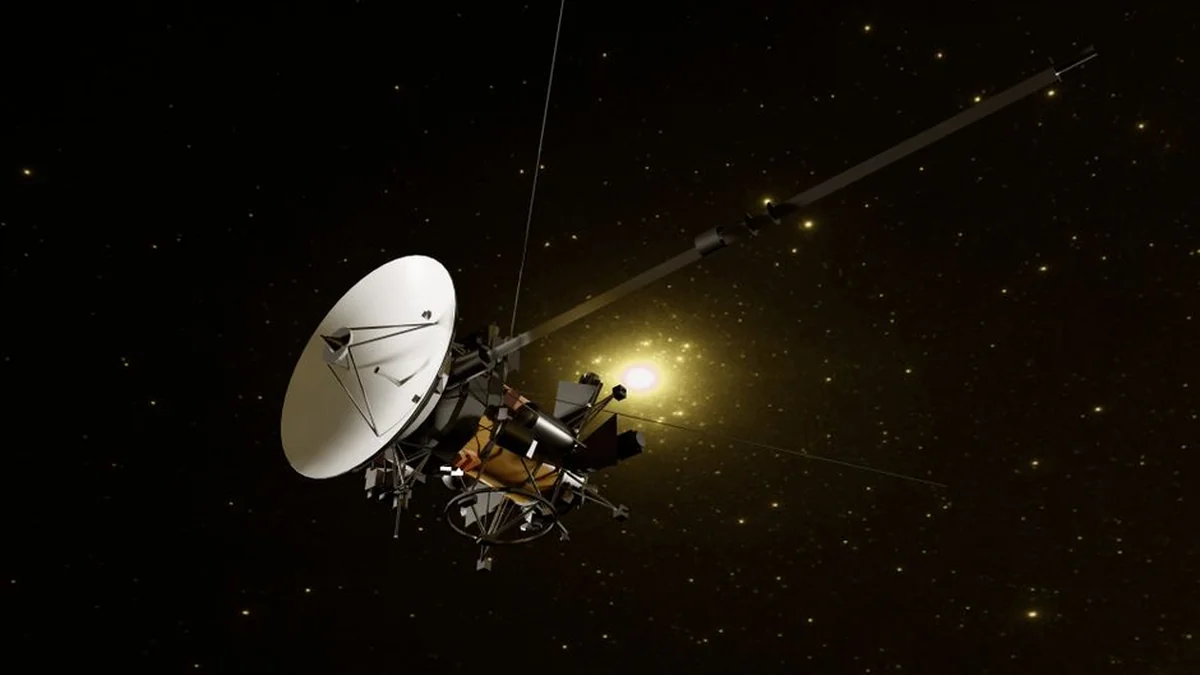
The Huygens probe, which traveled to Titan, Saturn’s largest moon, remains a significant marker in space exploration, despite its current operational status. Launched as part of the Cassini–Huygens mission, the European Space Agency probe successfully traversed Titan’s thick atmosphere on January 14, 2005. After a descent lasting approximately two and a half hours, the Huygens spacecraft transmitted images and data from the surface of the distant moon.
The initial data provided groundbreaking visual evidence of a world characterized by fog, water ice, and visible channels formed by methane and ethane. For about 72 minutes following its landing, the probe transmitted information, offering humanity its first direct surface views from such a remote location within the Solar System. More than a billion kilometers from Earth, the Huygens mission stands as a testament to the capabilities of deep-space exploration.
While the probe is no longer transmitting data and is considered non-operational, its successful deployment marked a major milestone in planetary science. The mission’s achievements continue to be studied for their insights into the composition and geology of Titan.
Topics: #probe #huygens #billion