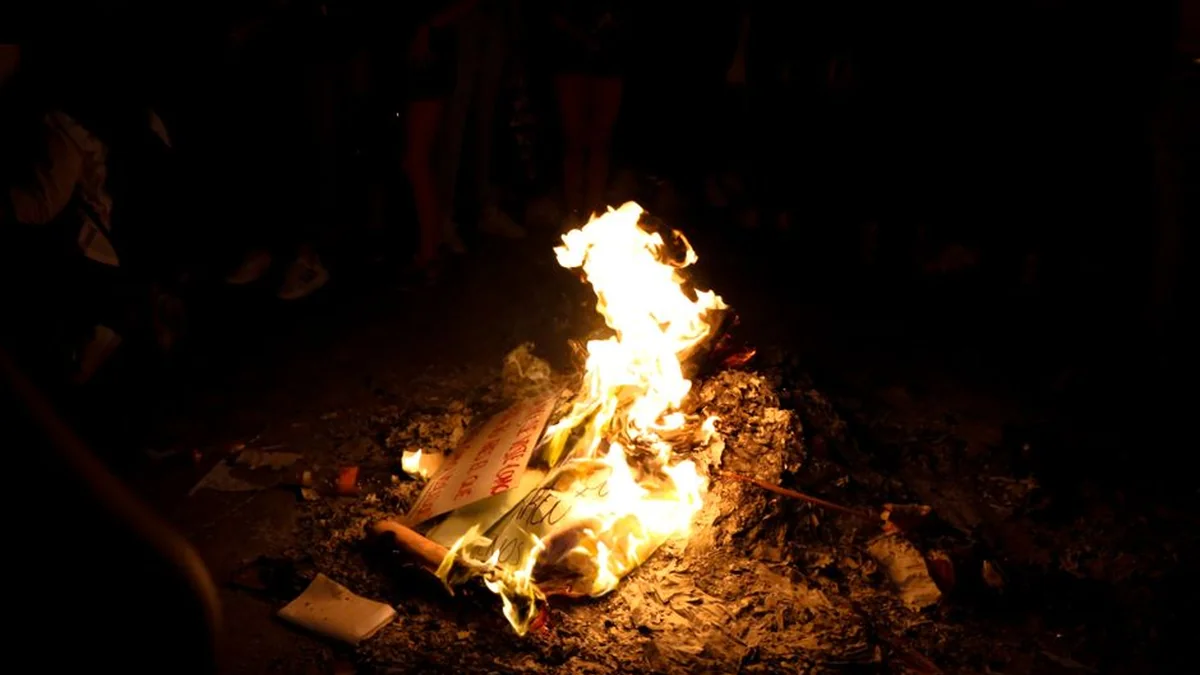
What began as an environmental protest focused on protecting the biodiversity within one of the nation’s protected areas has since evolved into a broader movement articulating profound political aspirations. These aspirations extend far beyond calls for superficial policy adjustments or mere changes in political leadership. Instead, the movement advocates for a fundamental transformation of the entire political model of the country, a shift that dates back to the period following the collapse of the Hoxha regime.
An examination of the movement’s core slogans reveals a clear set of demands. These center on transitioning away from a governance structure characterized by the cult of personality and the extreme concentration of authority within a single individual. The alternative framework proposed is a democracy built upon robust institutional frameworks, adherence to the rule of law, and mechanisms of accountability for power holders.
For several decades, the nation has reportedly contended with the lingering effects of a political culture that resists such structural reforms. The sustained nature of these protests underscores the depth of the dissatisfaction with the existing political order. The proponents of change are not merely seeking incremental improvements; rather, they are calling for the systemic dismantling of outdated power dynamics.
Ultimately, the central thrust of the movement is the desire to bring an end to governance models that prioritize individual authority over constitutional checks and balances. The movement’s sustained energy reflects a deep-seated desire among a segment of the populace for a durable democratic system where institutional integrity is paramount, marking a significant pivot from localized environmental concern to comprehensive national political restructuring.
Topics: #demands #political #end