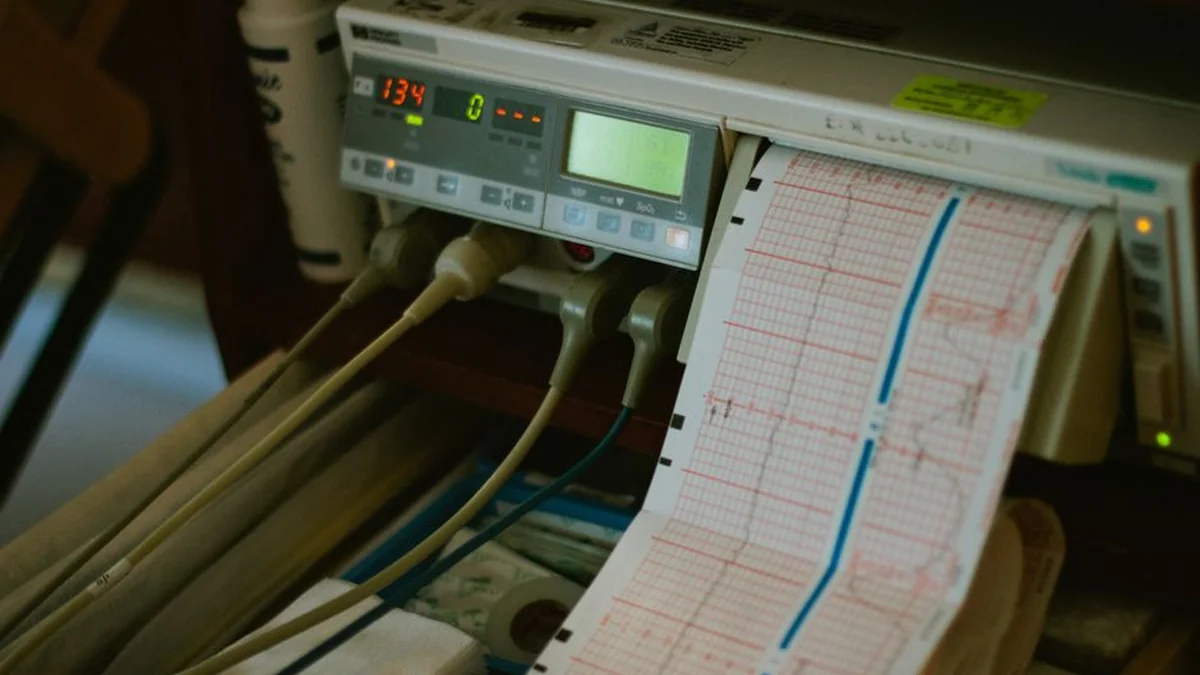
The quality and reliability of an electrocardiogram (ECG) recording are highly dependent on the meticulous care and professionalism provided by the attending nurse. While the ECG itself is recognized as a simple, fast, and non-invasive method for assessing the heart’s electrical activity, achieving an accurate reading requires rigorous attention to detail at every stage of the process. The role of the nurse is paramount, as their expertise governs everything from initial patient preparation to the precise placement of electrodes and the final quality control of the recording.
To ensure the most accurate results, adherence to a systematic procedure is necessary. The process begins with comprehensive patient preparation. This initial step requires the nurse to accurately identify the patient, thoroughly explain the procedure to alleviate anxiety, and ensure the patient is in the optimal state for testing.
Following preparation, the nurse must execute the electrode placement with precision. Incorrect placement can introduce artifacts or distort the electrical signals, compromising the integrity of the data. Furthermore, the nurse is responsible for monitoring the entire recording process.
This involves constant quality checks to confirm that the equipment is functioning correctly and that the patient remains still and comfortable. Because the entire diagnostic output hinges on the quality of the input, the diligence of the nurse is the critical factor. By mastering these technical and interpersonal skills, the nurse ensures that the resulting ECG provides clinicians with the most dependable assessment of cardiac function.
Topics: #nurse #ecg #recording