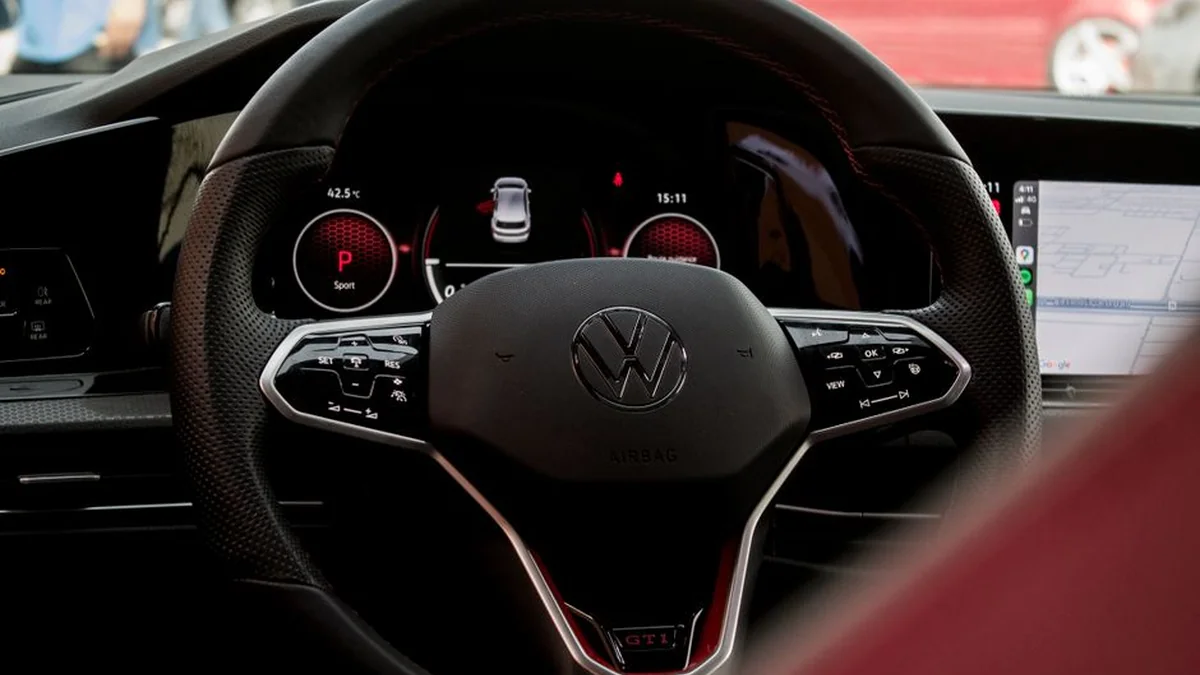
Volkswagen initially envisioned its electric vehicle lineup with a highly futuristic aesthetic, characterized by replacing numerous traditional physical controls with integrated touch surfaces. However, customer reception suggested a disconnect between this design philosophy and practical usability. Drivers indicated that while they desired electric mobility, the user experience felt more like operating a “spacecraft” than a conventional automobile.
Specifically, controls for essential functions such as climate management, audio volume, and window operation proved significantly easier and safer to manage using dedicated physical buttons. These tactile controls allow operators to adjust settings without requiring them to divert their gaze from the road. Recognizing this critical feedback, Volkswagen is adjusting its strategy for upcoming models, including the ID.3 Neo, ID.
Polo, and ID. Cross. These new iterations are reintroducing familiar physical buttons and switches to improve the user interface.
Volkswagen executives have publicly acknowledged that the previous design direction led to notable customer frustration. The industry lesson appears to be that technological innovation should not supersede core usability principles. The company’s pivot signals a return to integrating more intuitive, physical controls alongside advanced digital features.
This shift demonstrates that for automotive design, achieving a blend of futuristic capability and proven, reliable ergonomics is necessary to meet consumer expectations. The goal is to provide drivers with more functional simplicity alongside advanced electric performance.
Topics: #buttons #volkswagen #more